










How Do You Justify a New Reference Standard to Management?
The short answer
A reference standard sits at the top of your meter testing program. Every meter your shop tests is compared against it, so its accuracy decides whether those test results can be trusted. The business case comes down to four points:
- Revenue. Small errors in the standard carry into every meter tested against it, and those meters stay in service for years.
- Compliance. Regulators and auditors expect test results that trace to NIST through a documented chain.
- Customer trust. When a bill is disputed, your test result is only as strong as the standard behind it.
- Cost of ownership. A standard is used for many years. Calibration, repair, and training are part of the plan, not surprises.
Radian Research provides the tools to put numbers on each point, starting with the free Meter Error Cost Calculator.
Start with the cost of error
Management decisions run on numbers, so lead with one. A 0.1% error sounds small, but across 100,000 residential meters using 10,000 kWh a year at $0.15 per kWh, it comes to about $150,000 a year. Use your own meter count, usage, and rates in the Meter Error Cost Calculator to get a figure for your territory.
For a full explanation of how the numbers work, see What Does a 0.1% Metering Error Cost a Utility Each Year?
Show what happens when the error is in the standard
An error in one meter affects one customer. An error in the standard used to test meters is different: every meter tested against it can inherit the error, and those meters stay in service for years.
The calculator’s Test equipment drift scenario shows this directly. Enter how many meters you test each year, the error in your standard, and how long a tested meter stays in service. The result is the revenue affected by the standard alone.
This is the strongest point in most business cases, because it connects a lab instrument to the billing system.
Connect the standard to compliance
Auditors and commissions look for three things:
- Traceability. An unbroken chain of calibrations from NIST to the standard you test with. See What Does NIST Traceability Mean for Meter Testing?
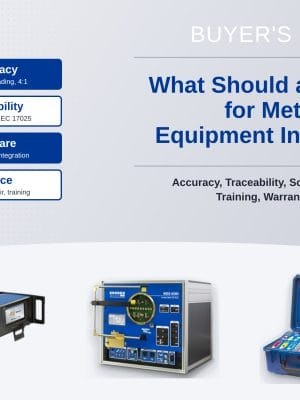
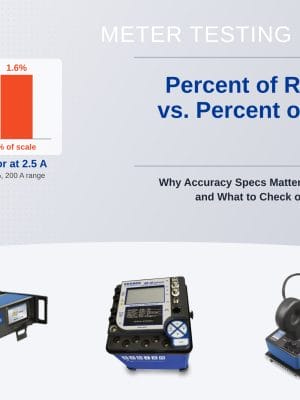
- Accuracy margin. The standard should be at least four times more accurate than the meters it tests. See How Accurate Does Meter Test Equipment Need to Be?
- Records. Calibration certificates for the standard and test records for every meter. See What Records Should a Meter Shop Keep for Regulators?
If your current standard is aging, out of tolerance more often, or no longer supported, say so plainly. A standard that can’t be calibrated or repaired puts the whole testing program at risk.
Lay out the cost of ownership
A reference standard is a long-term asset. Present what it takes to keep it in service, not just the purchase:
| Ownership item | What to plan for | RADIAN option |
|---|---|---|
| Warranty | How long the manufacturer covers the equipment | Blue Care Plan with a two-year warranty, included with every registered RADIAN product |
| Recalibration | A yearly calibration keeps traceability current | RADIAN Calibration Services, or a Silver, Gold, or Platinum Care Plan that budgets warranty and recalibration together for three to five years |
| Repair | Who fixes it, and how fast | RADIAN Repair & Upgrade, performed by the manufacturer; Platinum adds “First on Bench” priority |
| Training | Getting technicians up to speed | RADIAN Product Training; Gold and Platinum Care Plans include on-site training |
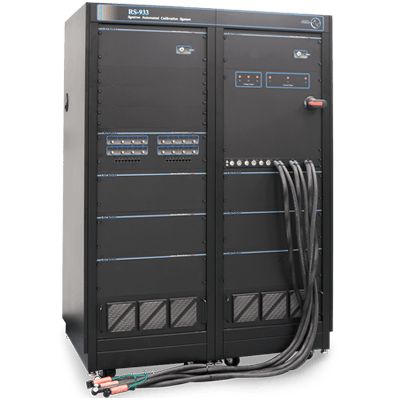
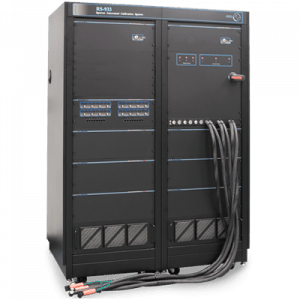
| Upgrades | Moving older systems to a current platform | RADIAN Repair & Upgrade (for example, older calibration systems to the RS-933) |
A multi-year Care Plan turns warranty and recalibration into a fixed, predictable line item, which is often easier for management to approve than open-ended service costs.
Match the standard to the job
Management will ask whether you are buying the right tool. Show that the choice follows from the meters you test:
| Where it’s used | RADIAN equipment |
|---|---|
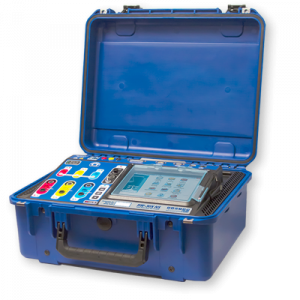
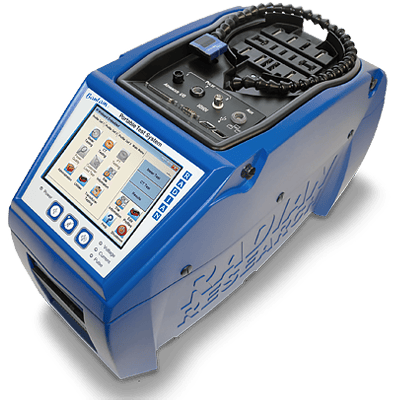
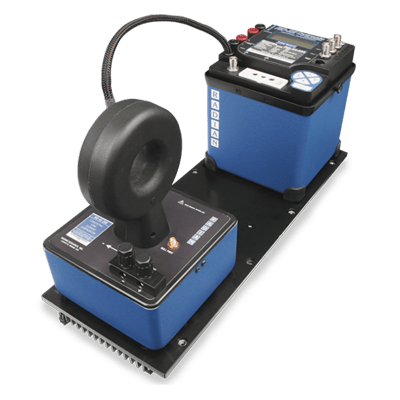
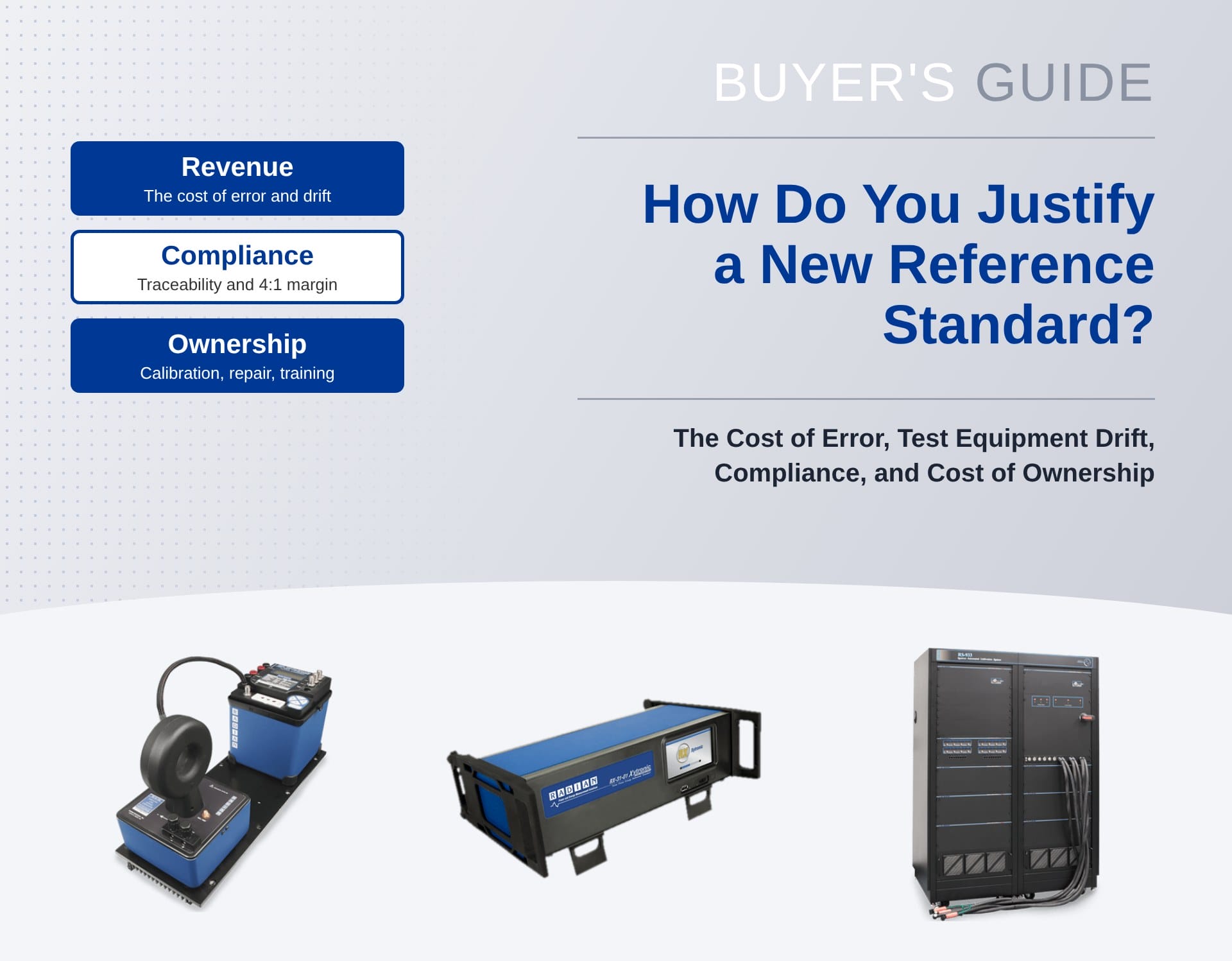
| Lab, top of the chain | RADIAN RD-22 Primary Transfer Standard |
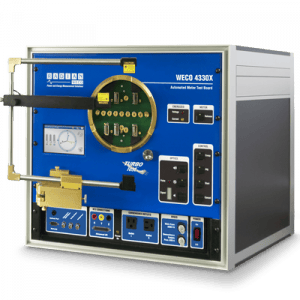
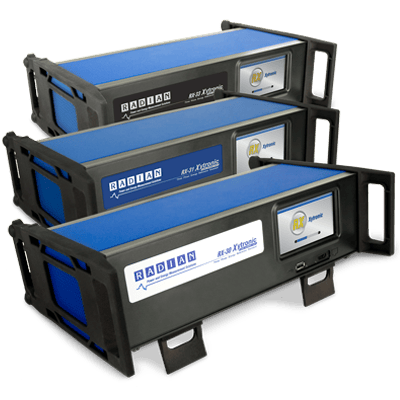
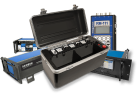
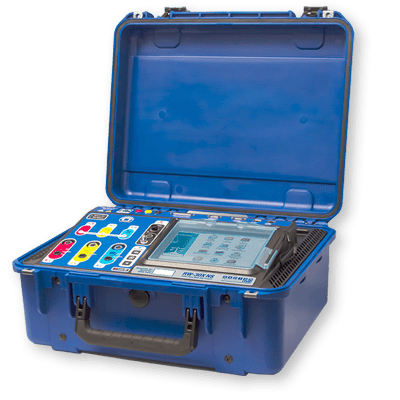
| Lab and shop, three-phase | RADIAN RX-33, RX-31, and RX-30 |
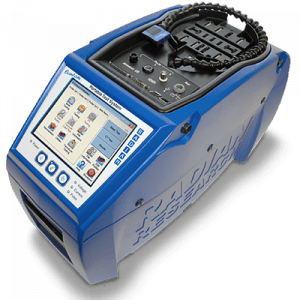
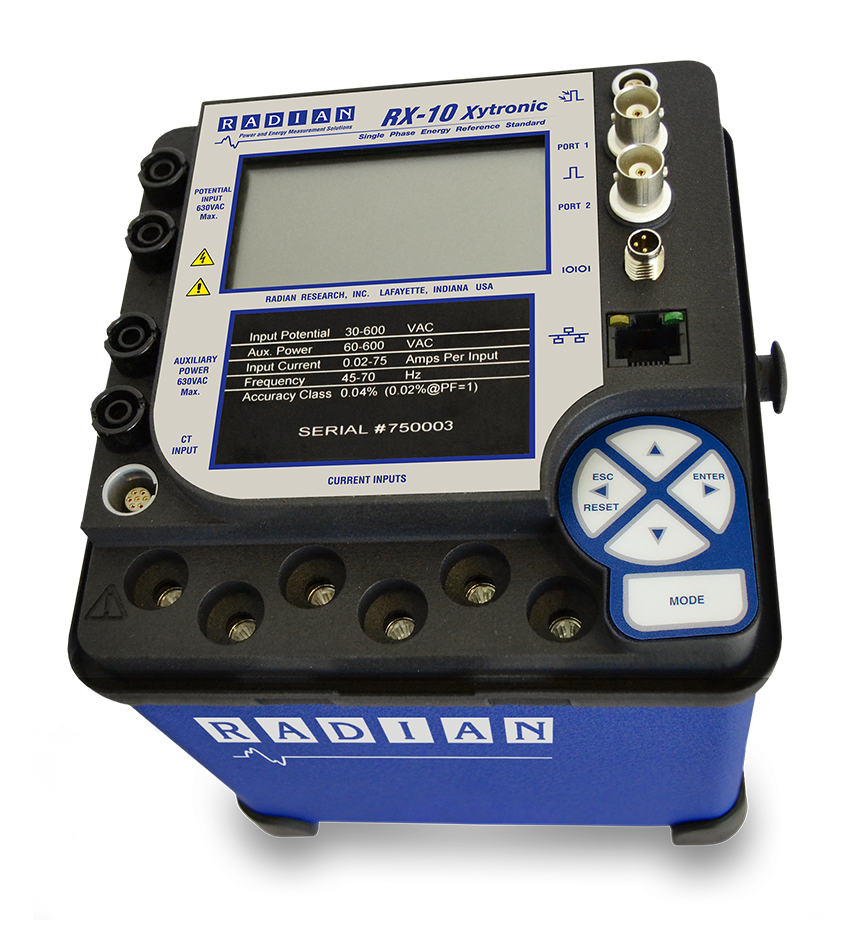
| Lab, shop, and field, single-phase | RADIAN RX-15, RX-11, and RX-10 |
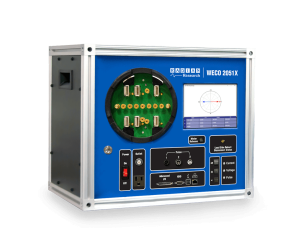
| Automated lab calibration | RADIAN RS-933 |
Choose the accuracy class that keeps the 4:1 margin over the most accurate meters you test. For single-phase or three-phase, see Single-Phase or Three-Phase Reference Standard: How Do You Choose?
A one-page business case
Keep it to one page. Management reads the first paragraph and the table.
- The ask. What you want to buy and when.
- The risk today. The age, condition, and calibration history of the current standard.
- The cost of error. Your number from the Meter Error Cost Calculator, including the test equipment drift scenario.
- Compliance. How the new standard supports traceability, the 4:1 margin, and your commission’s rules.
- Ownership plan. Warranty, recalibration, repair, and training over the life of the standard.
- Next step. A quote and a decision date.
RADIAN can help with the technical details. Request a quote, or call 765-449-5500 to talk through your numbers.
Frequently asked questions
How do I show the value of a more accurate reference standard?
Use the test equipment drift scenario in the Meter Error Cost Calculator. It shows the revenue affected when the standard itself is off, across every meter tested against it during their years in service.
How long does a reference standard last?
A reference standard is a long-term asset. With yearly recalibration and repair by the manufacturer when needed, it can stay in service for many years. RADIAN Repair & Upgrade also moves older systems to a current platform.
Can recalibration be budgeted in advance?
Yes. Silver, Gold, and Platinum Care Plans combine warranty coverage with three, four, or five years of recalibration and recertification.
What accuracy should the new standard have?
At least four times more accurate than the most accurate meters it will test. For ANSI class 0.2 meters, that means ±0.05% or better.
What does management usually ask?
What it costs to do nothing, how the purchase supports compliance, and what it costs to own over its life. The one-page outline above answers all three.