





What Meter Accuracy Protects
Each meter on your system decides what a customer pays and what your utility collects. A meter that reads slow loses revenue on every kilowatt-hour. A meter that reads fast overcharges customers, and that turns into complaints, refunds and questions from your regulator. Either way, the result is only as trustworthy as the test that approved the meter.
Utilities test meters to prove they read correctly: when they arrive, while they are in service, and when a customer disputes a bill. Those tests are only defensible if the equipment used for them can show where its own accuracy comes from. That record is called traceability, and it is what regulators, auditors and accreditation bodies ask to see.
How Accuracy Travels From NIST to Your Meters
Each link in the chain is checked by a more accurate link above it.
- NIST. The National Institute of Standards and Technology maintains the national measurement standards for the United States.
- RADIAN’s accredited laboratory. Our ISO/IEC 17025:2017-accredited metrology lab keeps primary transfer standards traceable directly to NIST.
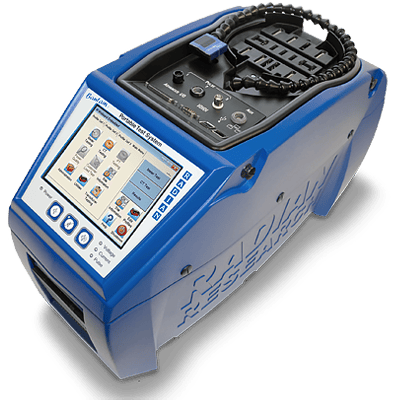
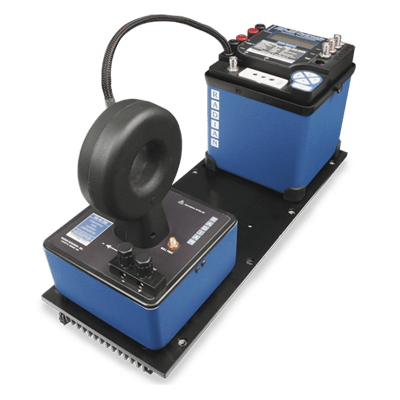
- Your primary or lab standard. A RADIAN RD-22 Primary Transfer Standard (±0.005% typical) carries that traceability into your laboratory.
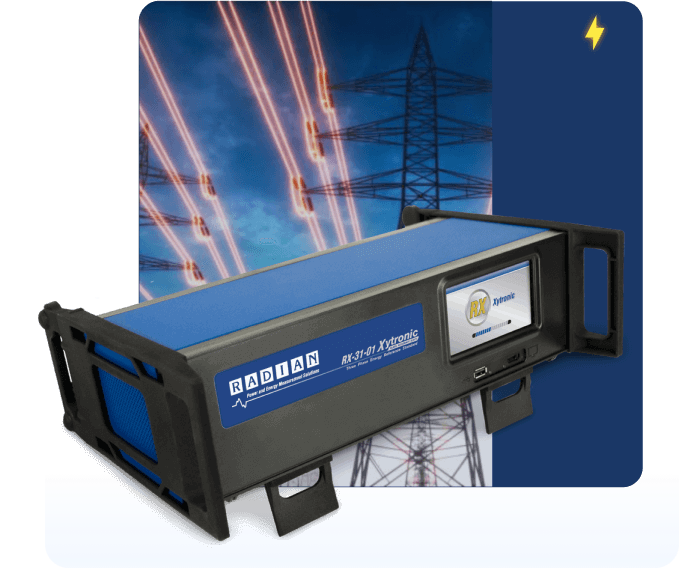
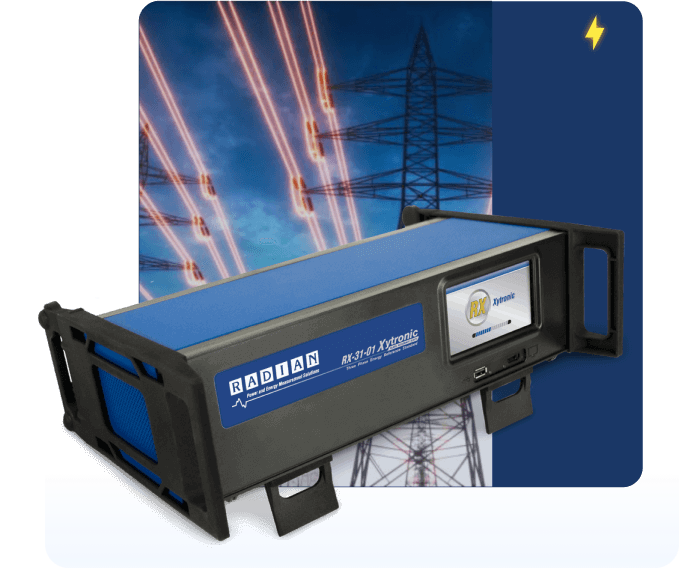
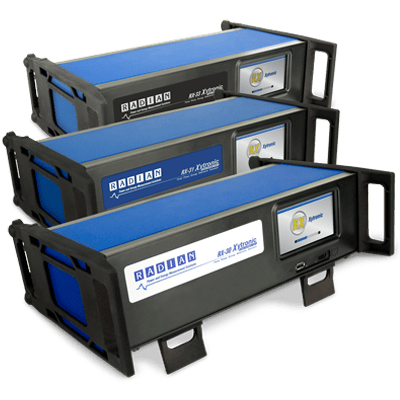
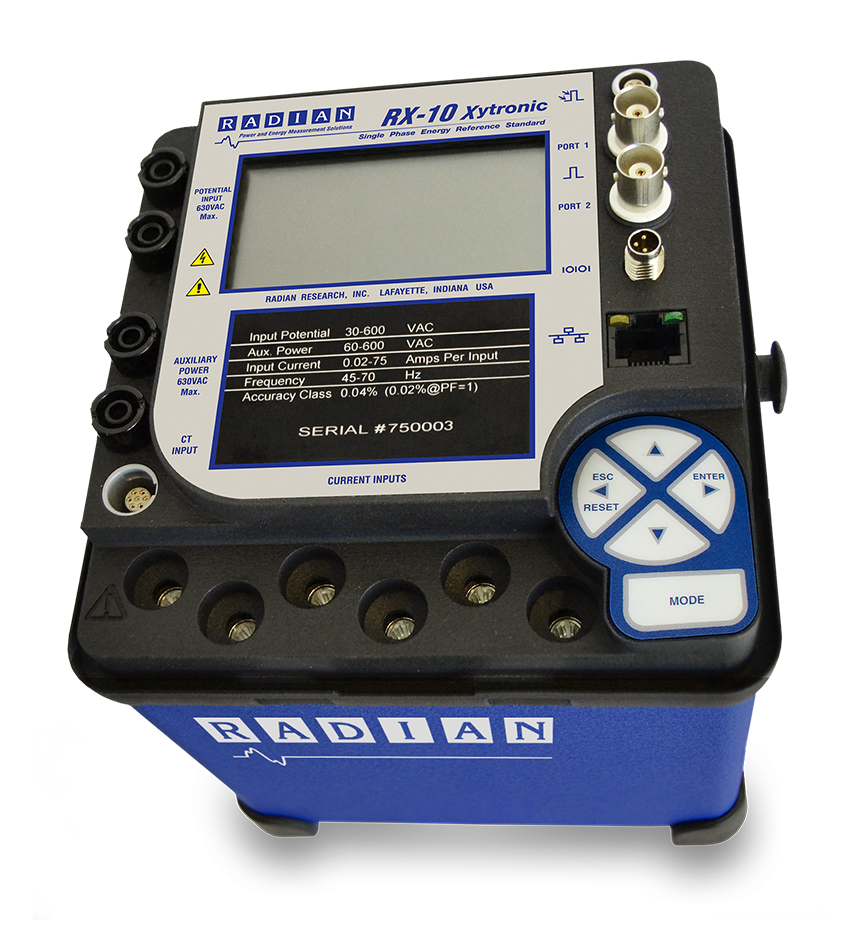
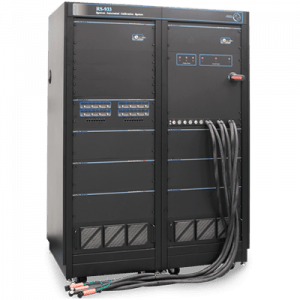
- Your working reference standards. RADIAN RX-30/31/33 and other RADIAN reference standards are calibrated against it.
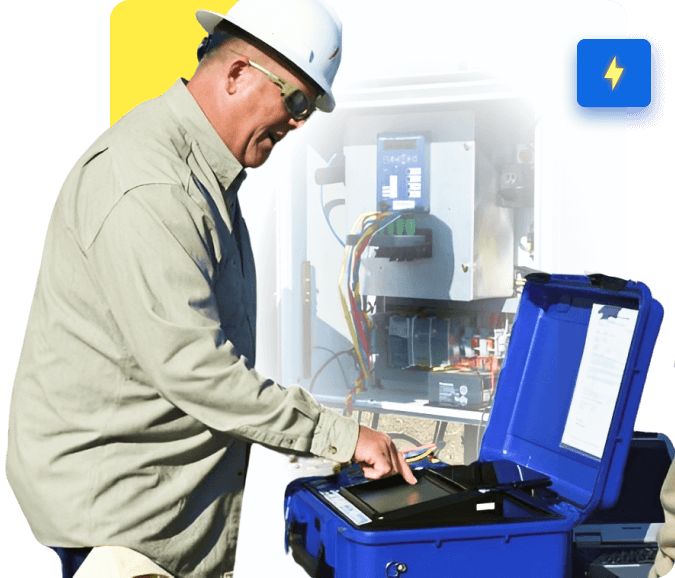
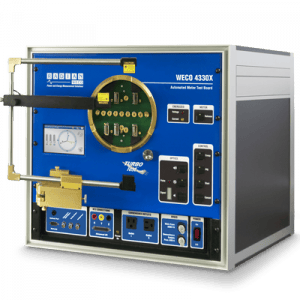
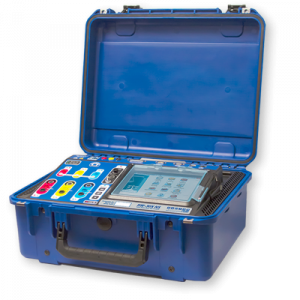
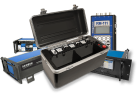
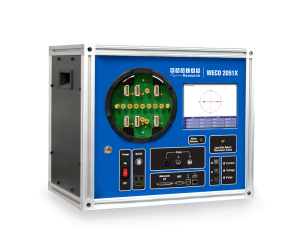
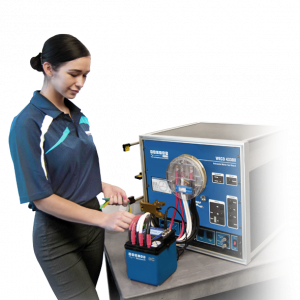
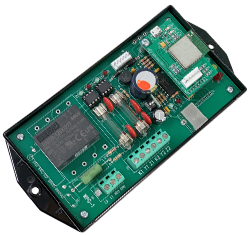
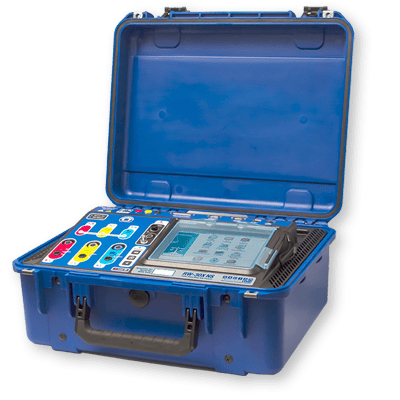
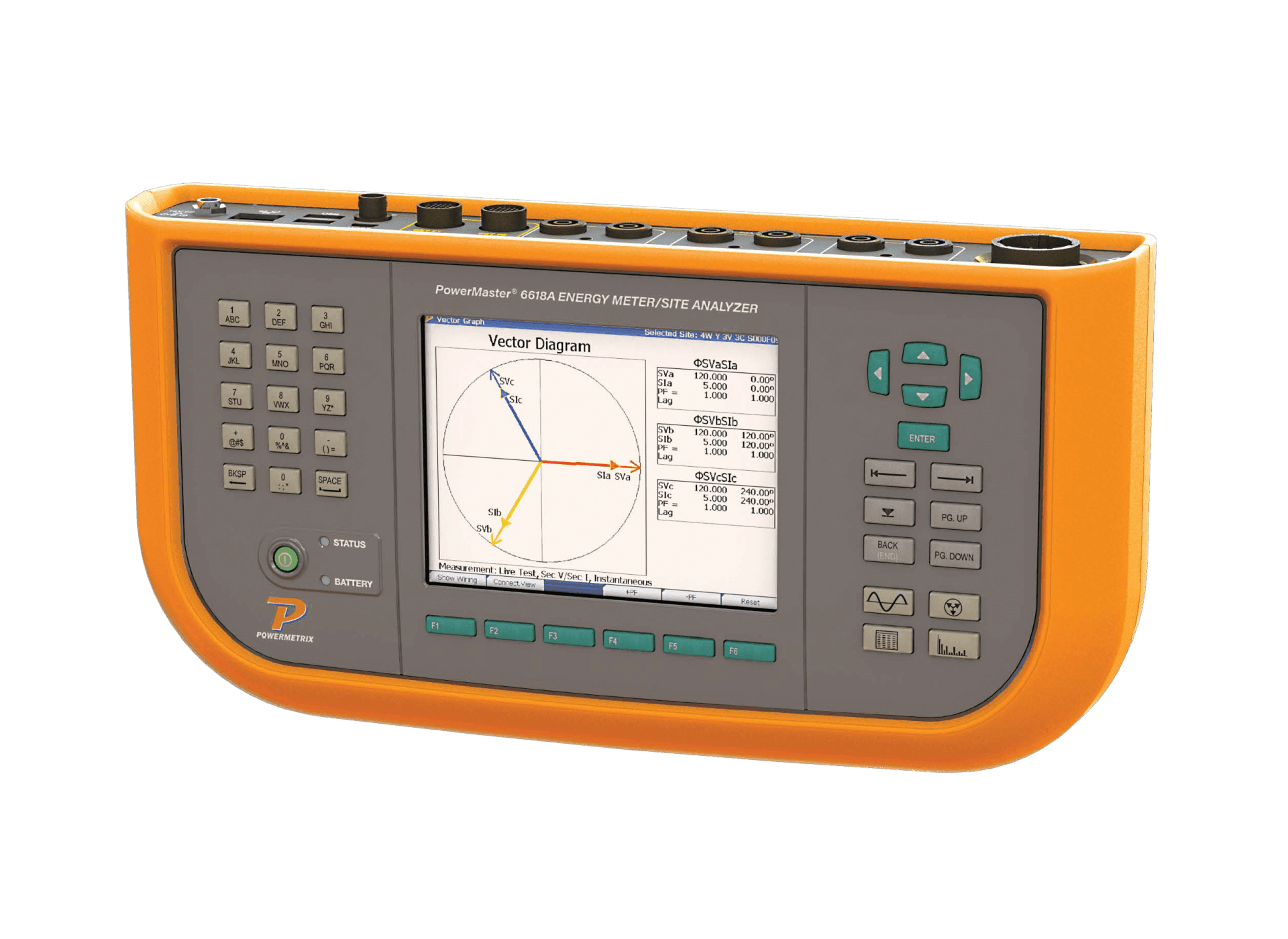
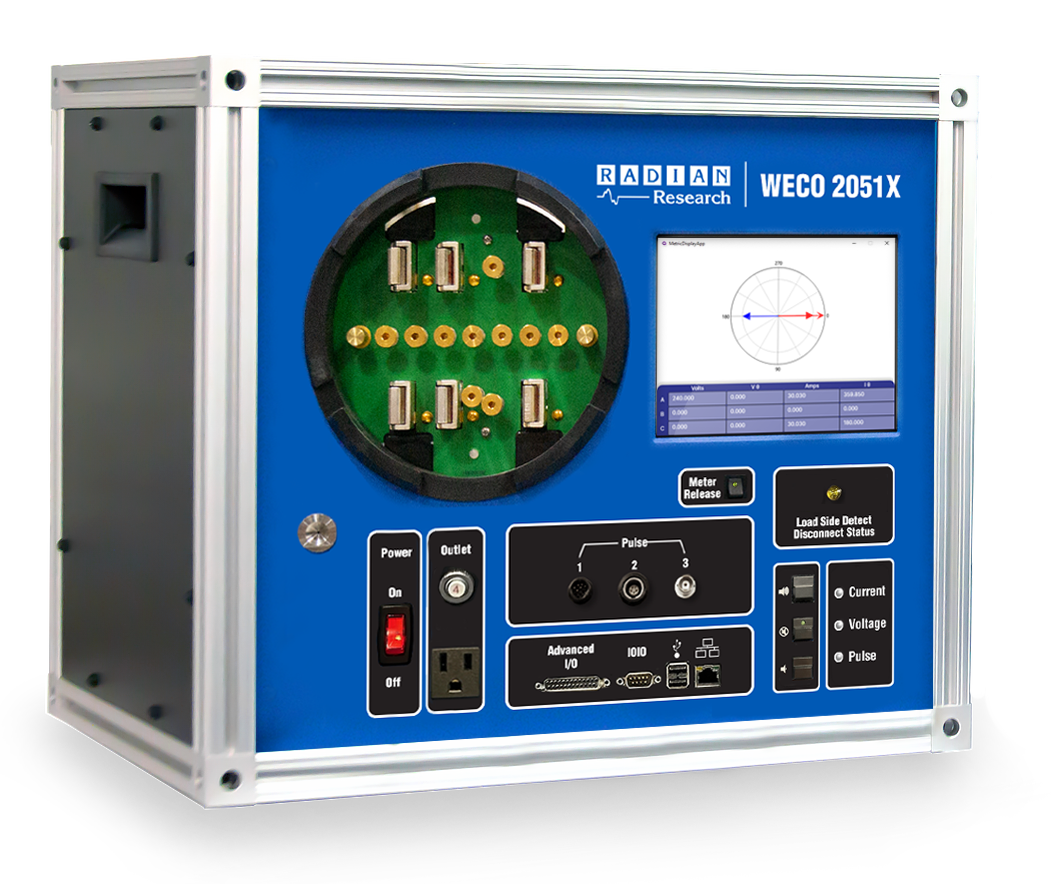
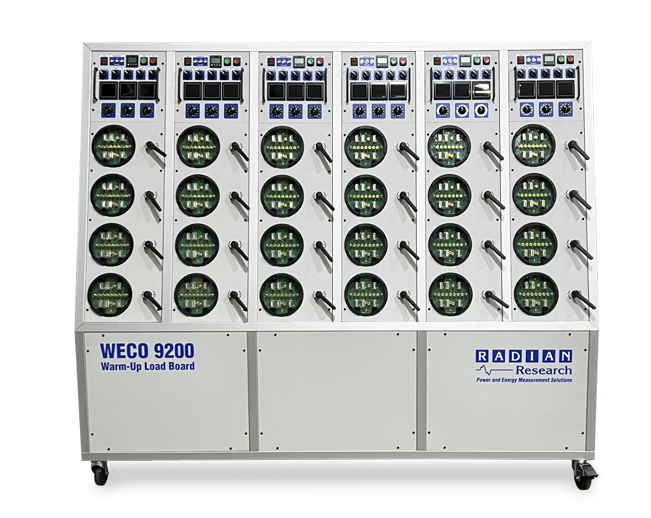
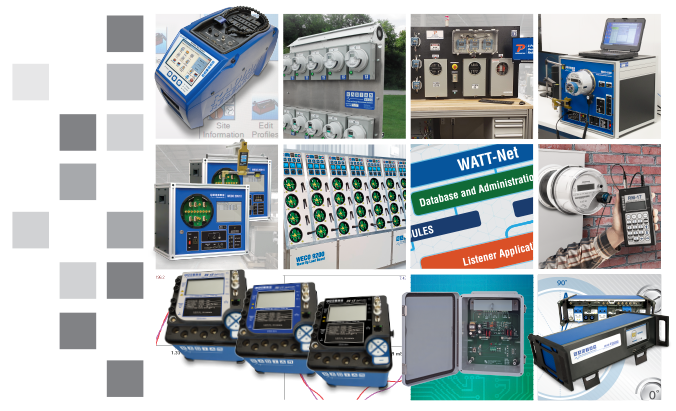
- Your test boards and field equipment. WECO meter test boards, Powermetrix and UTEC field systems, and RADIAN RW-30X field standards use RADIAN references inside.
- Every meter you install and test. Each result carries the accuracy of every link above it, with WATT-Net keeping the record.
What a Small Meter Error Costs
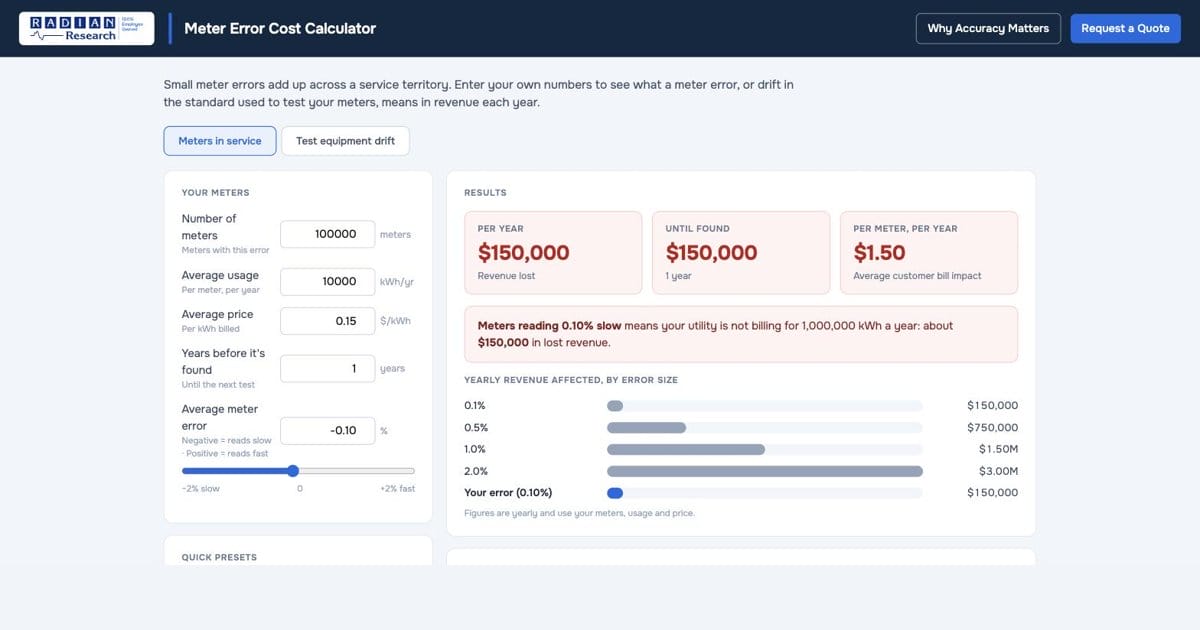
Meter errors look small as percentages but add up quickly across a service territory. Here is a simple example for a utility with 100,000 residential meters, each using 10,000 kWh a year at $0.15 per kWh (about $150 million a year in energy sales):
| Average meter error | Yearly revenue affected |
|---|---|
| 0.1% | $150,000 |
| 0.5% | $750,000 |
| 1.0% | $1,500,000 |
A slow meter loses that revenue quietly. A fast one bills customers for energy they didn’t use, which is harder to fix than it is to prevent. Accurate test equipment, with a documented chain back to NIST, is how a meter shop keeps these numbers close to zero and shows its work.
Try your own numbers, including what drift in a test standard costs, with our Meter Error Cost Calculator.
Why Utilities Trust RADIAN at the Top of the Chain
- 300 million meters produced in the past 30 years are referenced to a RADIAN standard
- Powering meter testing in 50 countries
- 16 energy measurement patents, including the autoranging inputs that protect RADIAN standards from wrong-tap connections
- ISO/IEC 17025:2017-accredited calibration (certificate 3784.01) and an ISO 9001:2015-certified quality system
- NIST-traceable calibration in our own metrology lab, including verification-only calibration of non-RADIAN AC energy reference standards
- Designed, built, calibrated and serviced in Lafayette, Indiana by a 100% employee-owned company
Accuracy FAQ
What does "traceable to NIST" mean?

How much more accurate should a reference standard be than the meters it tests?
How often should a reference standard be recalibrated?
What happens if a reference standard drifts?
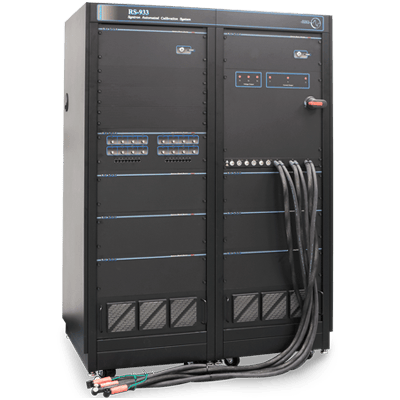
Can RADIAN calibrate standards from other manufacturers?
Related Resources
Strength in Numbers: Reducing Uncertainty with Three RD-22 Primary Transfer Standards


Questions About Accuracy?