






Percent Registration vs. Percent Error: What’s the Difference?
The short answer
Both describe the same test result in two ways:
- Percent registration is how much energy the meter recorded compared with the true energy, as a percentage. A perfect meter registers 100%.
- Percent error is how far the meter is from perfect. A perfect meter has 0% error.
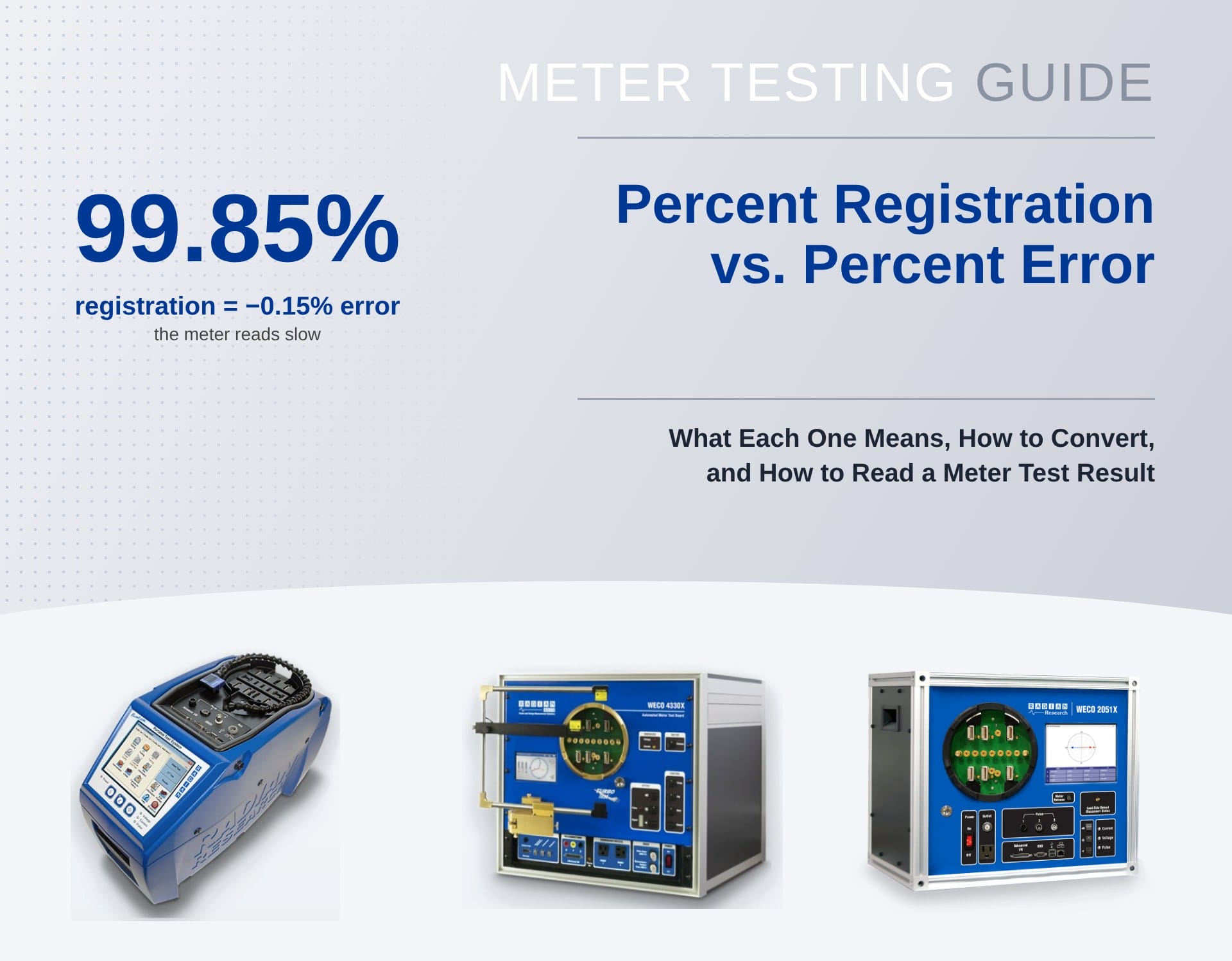
To convert: percent error = percent registration − 100. A meter that registers 99.85% has an error of −0.15%. It reads slow.
The formulas
Percent registration = (energy recorded by the meter ÷ true energy) × 100
Percent error = ((energy recorded by the meter − true energy) ÷ true energy) × 100
The “true energy” comes from the reference standard the meter is tested against. That’s why the standard must be much more accurate than the meter. See What Is a Watthour Reference Standard?
Worked examples
| Meter recorded | True energy (reference standard) | Percent registration | Percent error | What it means |
|---|---|---|---|---|
| 1.0000 kWh | 1.0000 kWh | 100.00% | 0.00% | Perfect |
| 0.9985 kWh | 1.0000 kWh | 99.85% | −0.15% | Reads slow; under-bills |
| 1.0020 kWh | 1.0000 kWh | 100.20% | +0.20% | Reads fast; over-bills |
Which one should you use?
Both are correct. Which one you see depends on your commission, your procedures, and your test equipment:
- Percent registration is common in older procedures and many state rules, which often set limits such as 98% to 102%.
- Percent error lines up with ANSI accuracy classes. An ANSI class 0.2 meter must stay within ±0.2% error at its test points.
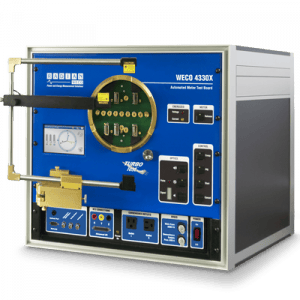
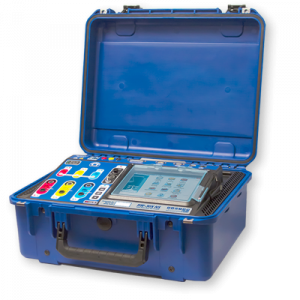
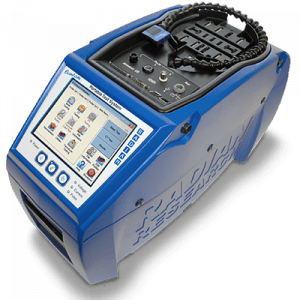
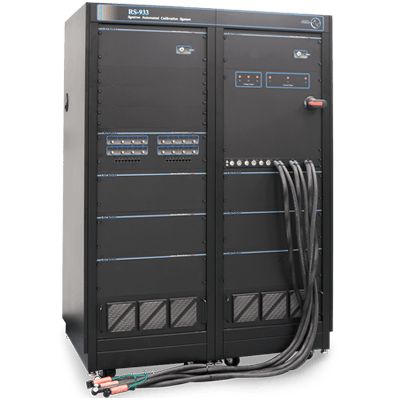
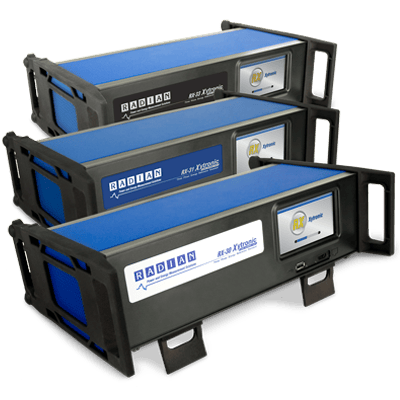
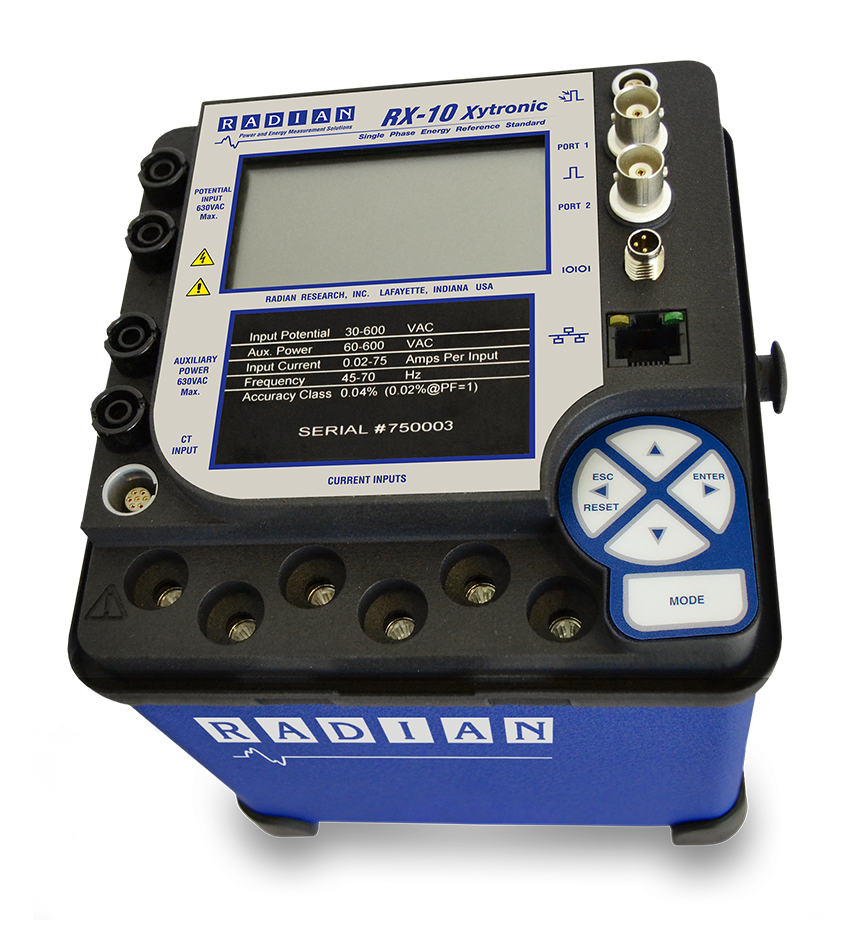
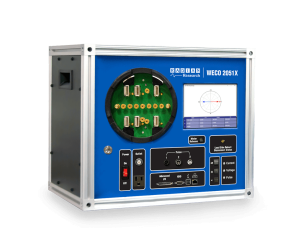
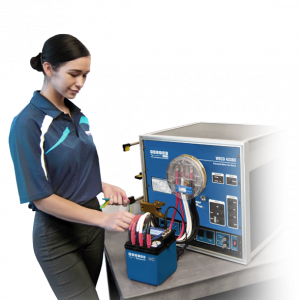
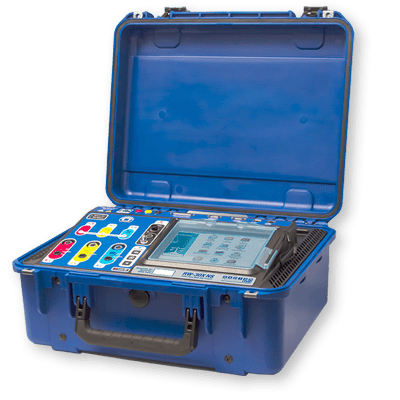
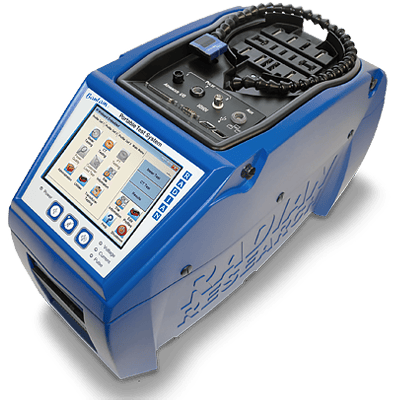
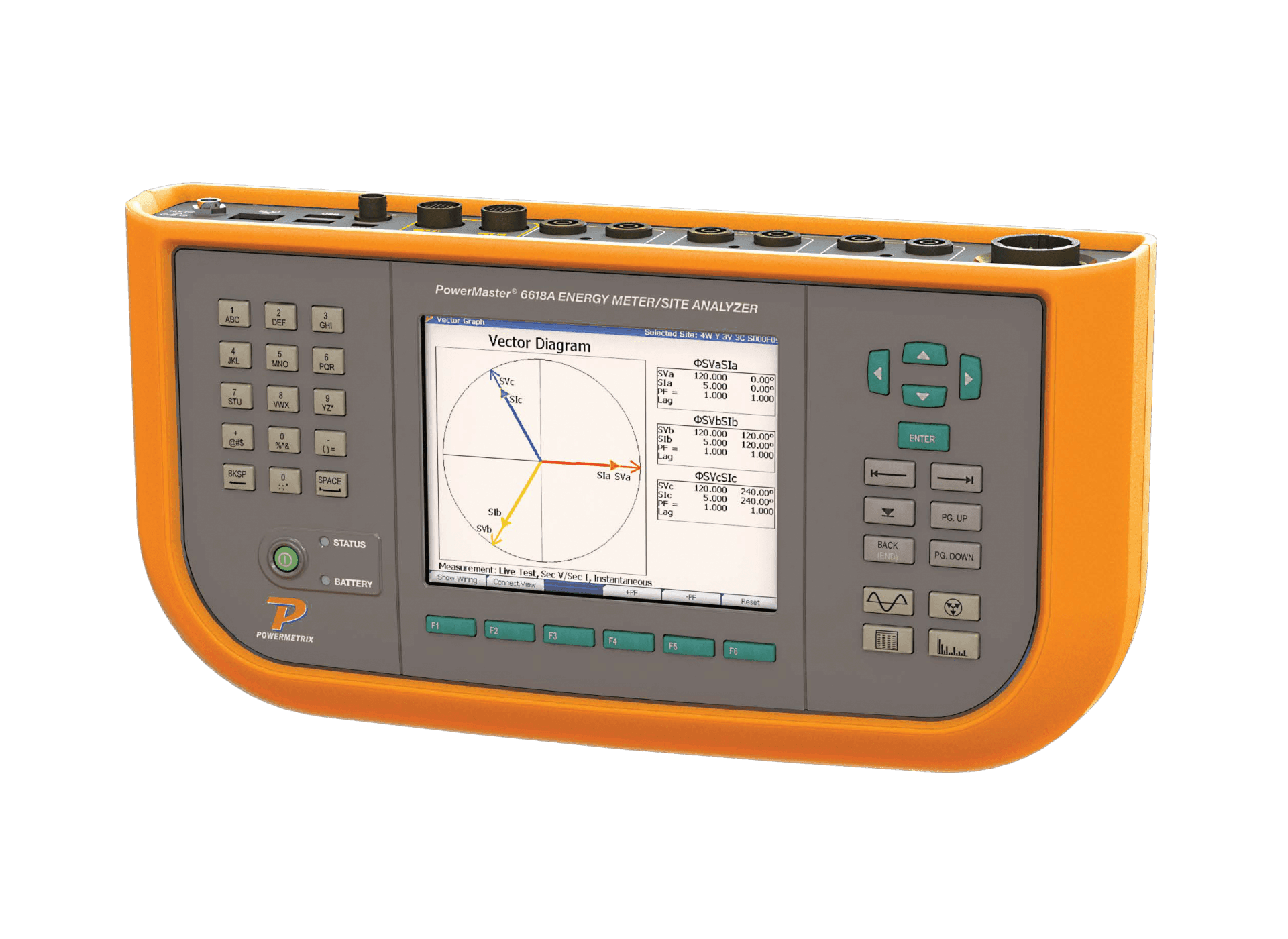
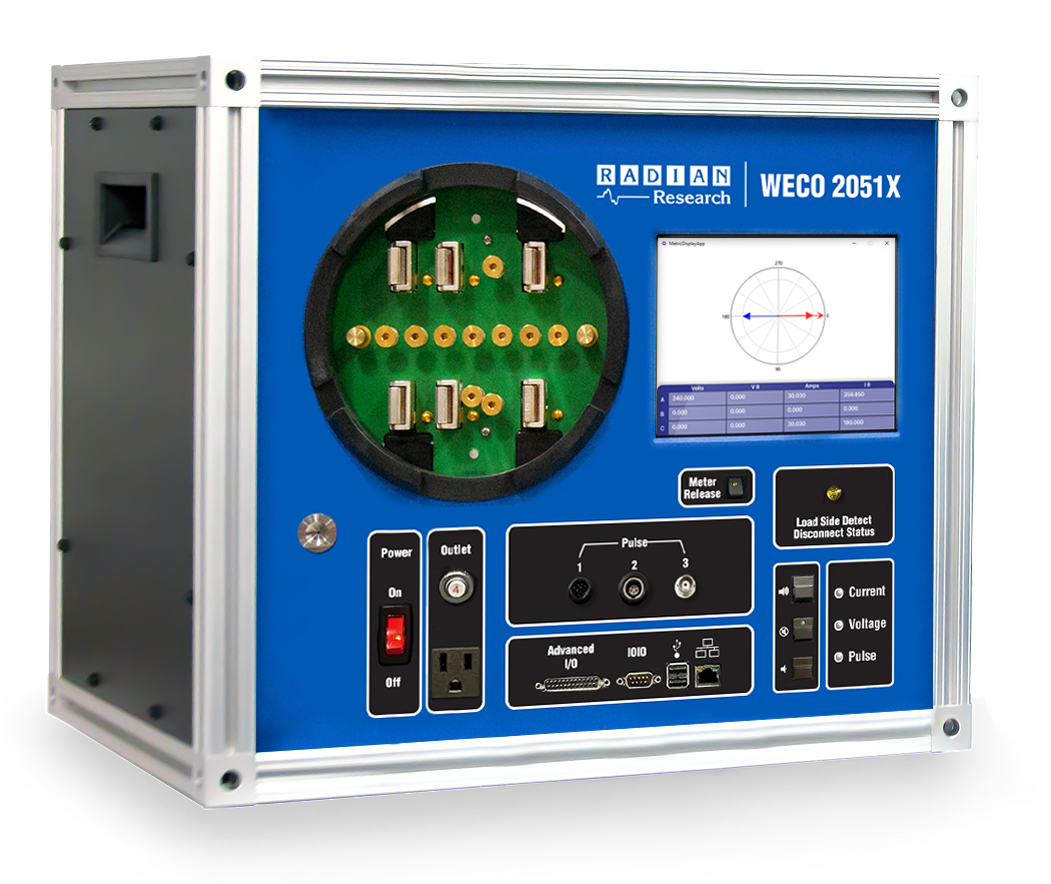
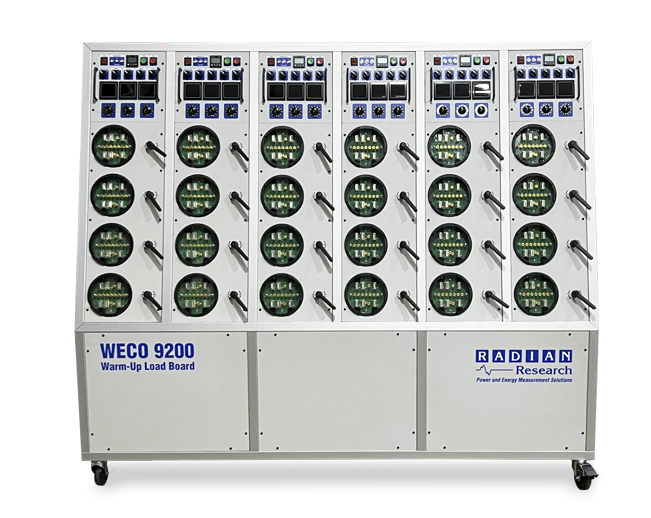
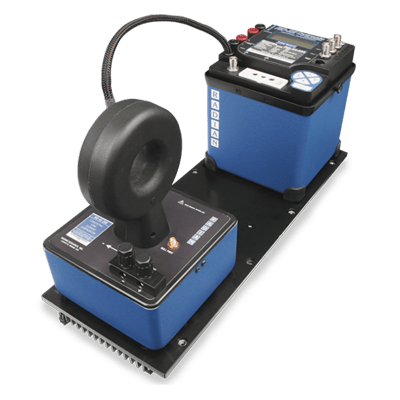
Most automated test systems, including WECO Test Boards and RADIAN field test equipment, can display either. The important thing is that everyone on the team reads the result the same way.
Reading a sign correctly
- A negative error (registration below 100%) means the meter reads slow. The utility under-bills.
- A positive error (registration above 100%) means the meter reads fast. The customer is over-billed.
Both matter. Slow meters lose revenue; fast meters lead to complaints and refunds. See What Does a 0.1% Metering Error Cost a Utility Each Year?
Weighted average registration
Some commissions judge a meter on a weighted average of its test points rather than on each point alone, giving full load more weight than light load. Check your commission’s rules for the formula it uses.
Frequently asked questions
What is percent registration in meter testing?
The energy recorded by the meter divided by the true energy from the reference standard, times 100. A perfect meter registers 100%.
What is percent error in meter testing?
How far the meter’s recorded energy is from the true energy, as a percentage. A perfect meter has 0% error.
How do you convert percent registration to percent error?
Subtract 100. A registration of 100.20% is an error of +0.20%.
Does a negative error mean the meter is slow?
Yes. A negative error, or a registration below 100%, means the meter records less energy than was used.
Which does ANSI use?
ANSI accuracy classes are stated as percent error limits, for example ±0.2% for class 0.2 meters. Many state rules are written in percent registration.