





Accuracy Starts with the Reference Standard
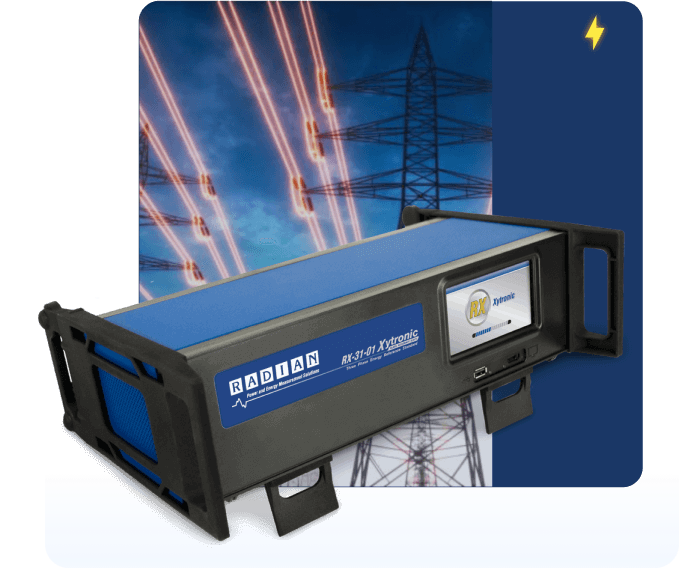
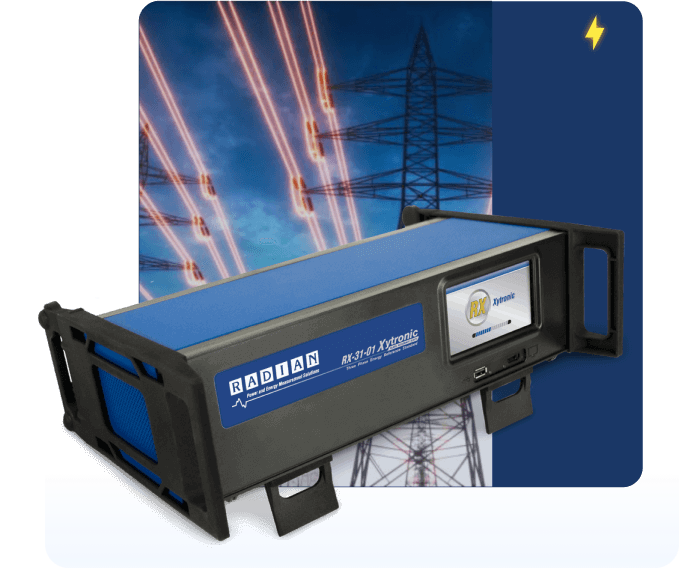
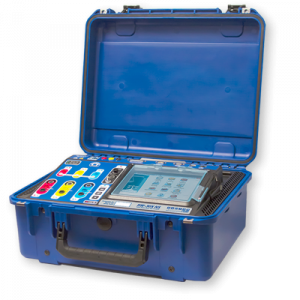
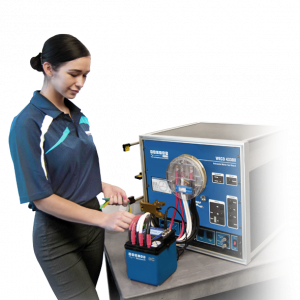
Every meter your utility bills against is only as accurate as the standard it was tested with. RADIAN energy reference standards are built for calibration laboratories and meter shops that must prove their accuracy to regulators, auditors and customers. More than 300 million revenue meters produced in the past 30 years are referenced to a RADIAN standard.
The traceability chain
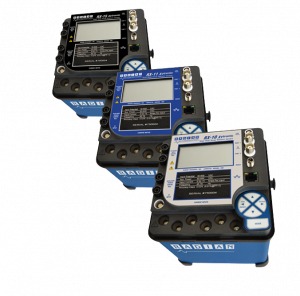
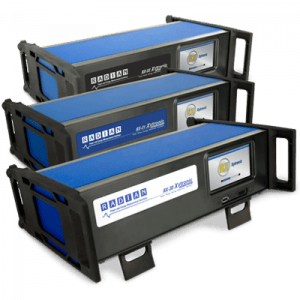
RADIAN maintains direct measurement traceability to NIST for watthours, volts and time, and to PTB, NRC and NPL for three-phase and harmonic energy. Our ISO/IEC 17025-accredited laboratory in Lafayette, Indiana transfers that accuracy through a bank of three RD-22 Primary Transfer Standards, with watthour transfer accuracy of ±0.005%. Every standard we ship carries that documented path to your lab, and to every meter you test.
See how that chain works, and what a small meter error costs, on our Why Accuracy Matters page.
The technology behind the numbers
Off-the-shelf analog-to-digital converters were never designed for energy measurement. RADIAN Dytronic and Xytronic integrating converters are, which is why RADIAN standards hold their accuracy on the distorted, harmonic-rich waveforms that inverters, chargers and electronic loads now put on the grid. Electronically compensated transformers and hermetically sealed references keep accuracy stable across the full range, specified in percent of reading, not percent of scale.
Why a bank of three? Our white paper Strength in Numbers explains how three RD-22 Primary Transfer Standards work as one laboratory energy reference.
How to Choose a Reference Standard
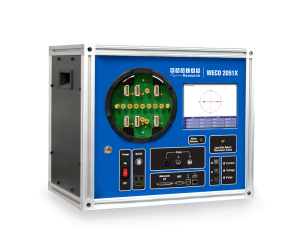
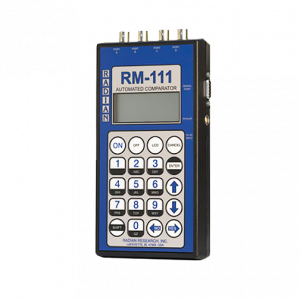
A working rule in metrology: your reference should be at least four times more accurate than the device under test. Testing 0.2-class meters calls for a standard in the 0.05% range or better. Calibrating other standards calls for the RX-33, RX-15 or RD-22.
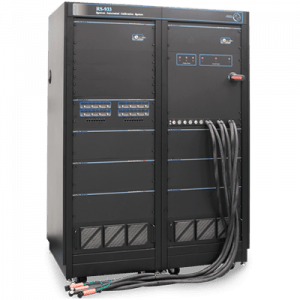
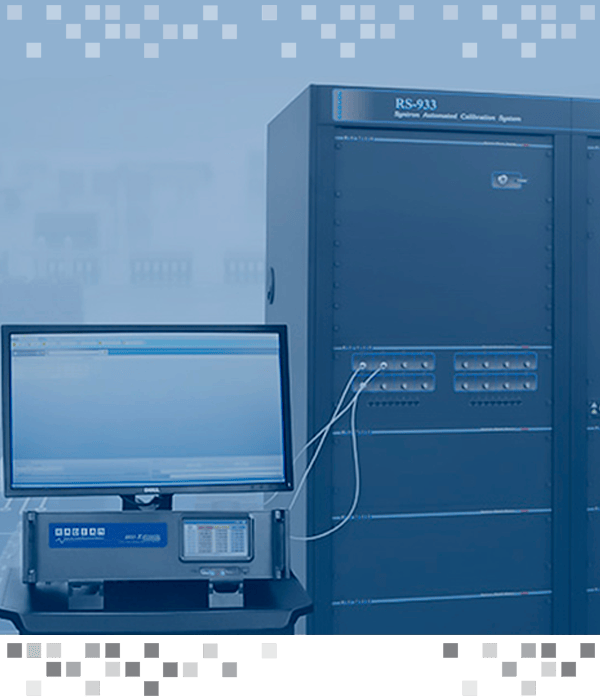
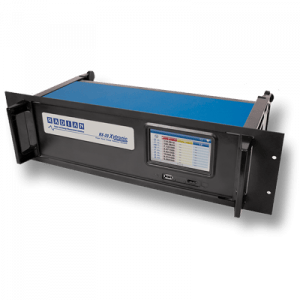
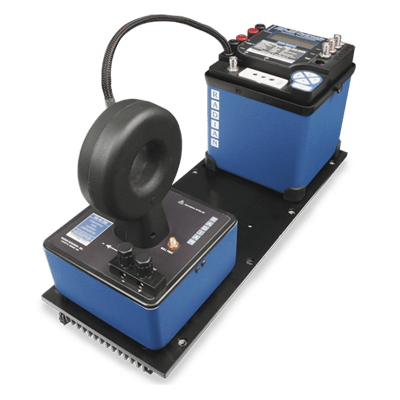
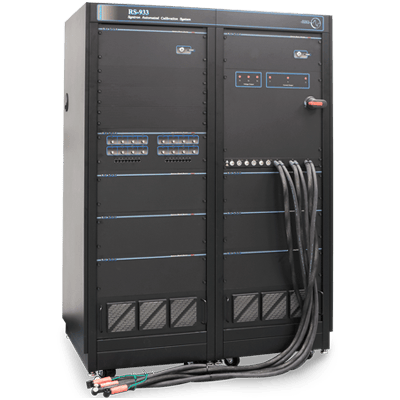
For laboratories that calibrate standards in volume, the RS-933 automated calibration system generates the test signals, collects the results and can average three RD-22 units as one reference.
| If you need to… | Consider | Accuracy class |
|---|---|---|
| Calibrate other standards (primary lab) | RD-22 | ±0.005% (transfer) |
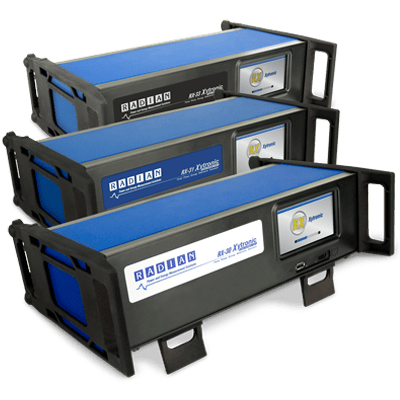
| Three-phase lab and shop reference | RX-30 / RX-31 / RX-33 | ±0.04% / ±0.02% / ±0.01% |
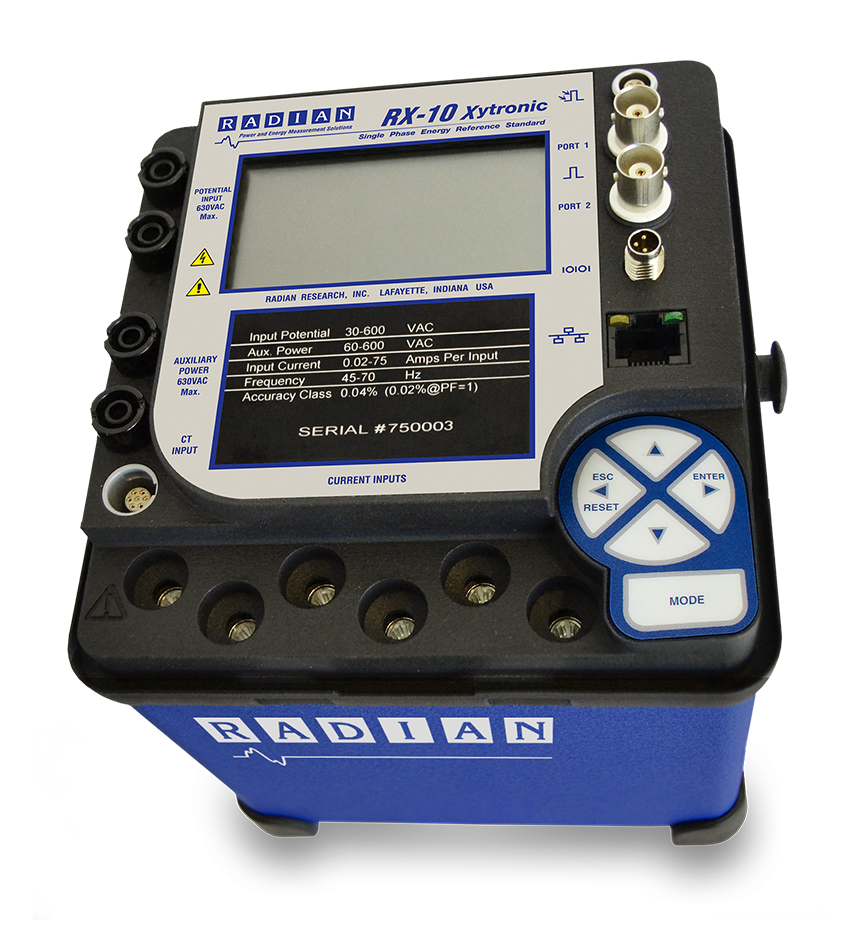
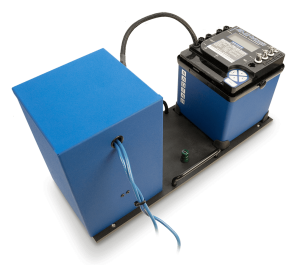
| Single-phase lab, shop or field reference | RX-10 / RX-11 / RX-15 | ±0.04% / ±0.02% / ±0.01% |
| Automate calibration of reference standards | RS-933 | ±0.005% (sourcing reference) |

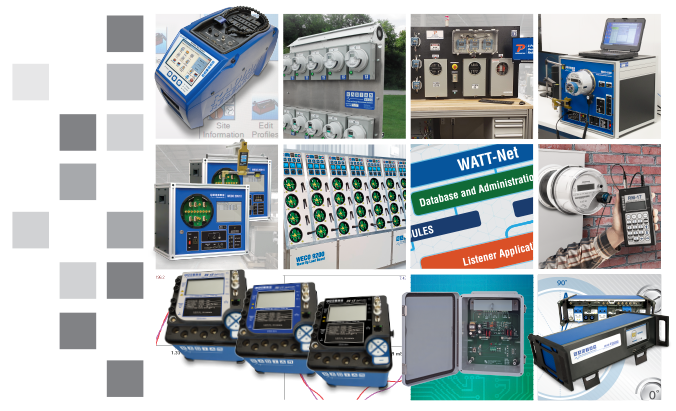
WATT-Net Test & Asset Management Software
WATT-Net provides configurable and scalable out-of-the-box solutions to utilities of any size or type.
It consolidates meter test data into one system so utilities can better leverage RADIAN hardware solutions, improving reliability and extending metering asset life.
Designed to grow with you, WATT-Net adapts to changing utility business rules and is delivered in a modular structure—so you can start with essentials and expand with purpose-built modules and integrations as needs evolve.

RADIAN Innovate™
Realizing Customer Needs through Innovation. Designed to Order. Built to Last.
-
Consult
Process flow analysis and testing.
-
Design & Delivery
Product development & rapid prototyping.
-
Post Support Services
Installation, training and maintenance.
-
Download Product Sheet
Have an Idea?
Lab Testing FAQ
What does NIST traceability mean for meter testing?

How often should a reference standard be recalibrated?
Can we calibrate our standards in-house?
Related Resources
Strength in Numbers: Reducing Uncertainty with Three RD-22 Primary Transfer Standards
Strength in Numbers: Reducing Uncertainty with Three RD-22 Primary Transfer Standards
Can't Find What You're Looking For?