






What Should an RFP for Meter Test Equipment Include?
The short answer
A good RFP for meter test equipment asks vendors to prove four things: that the equipment is accurate enough for the meters you test, that its accuracy traces to NIST, that its results fit your records and systems, and that it can be supported over its life.
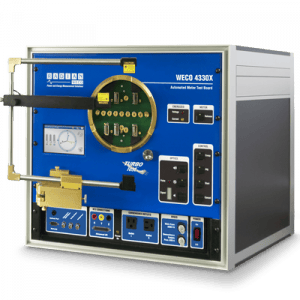
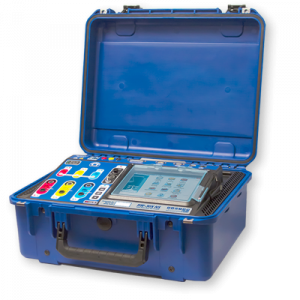
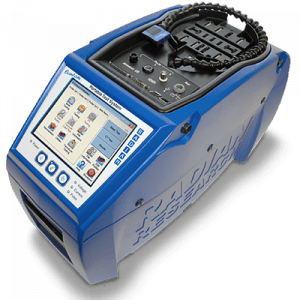
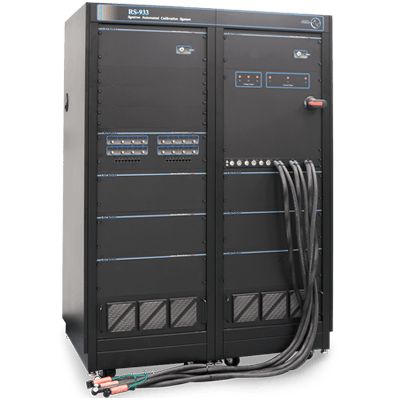
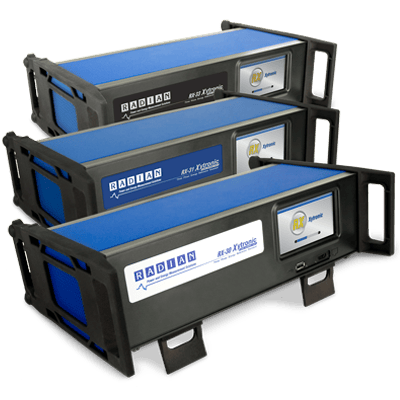
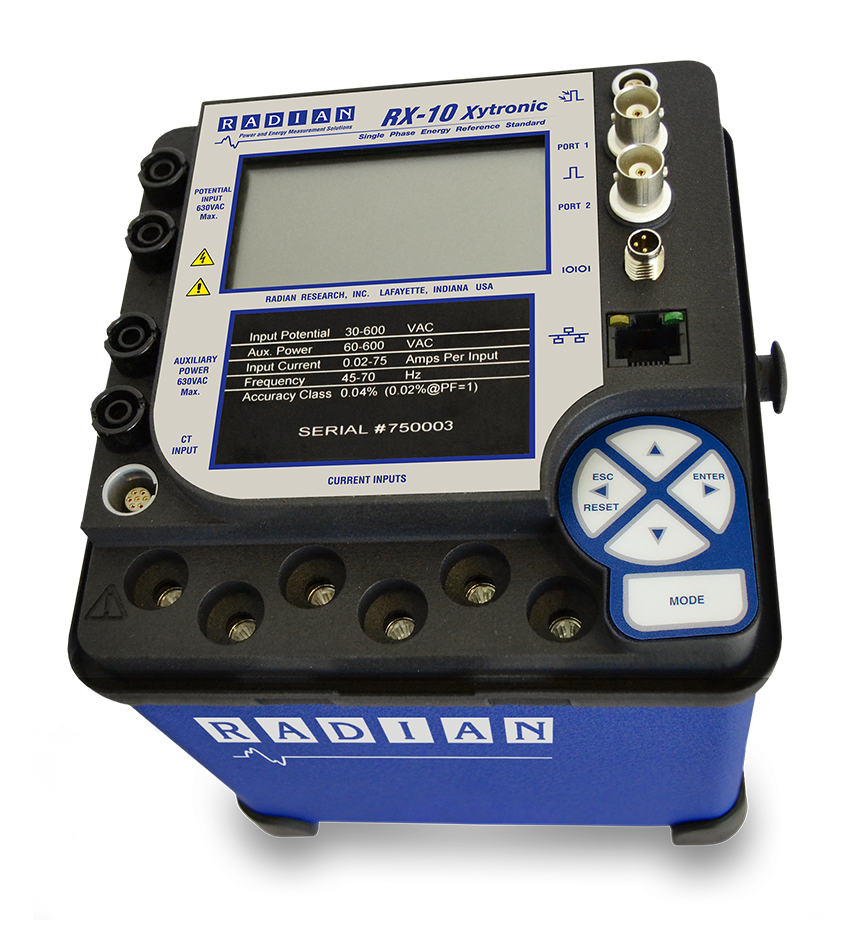
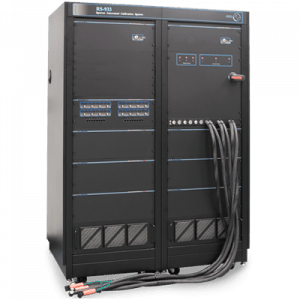
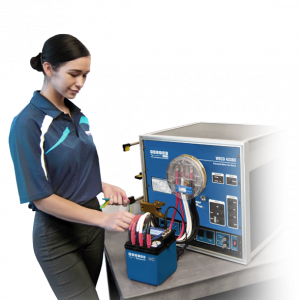
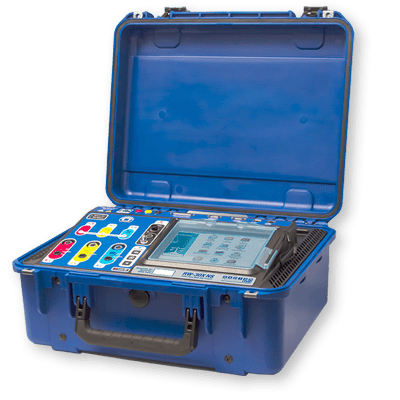
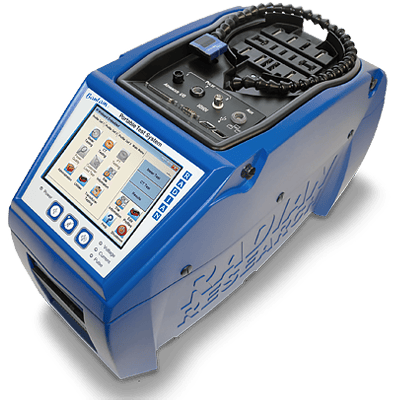
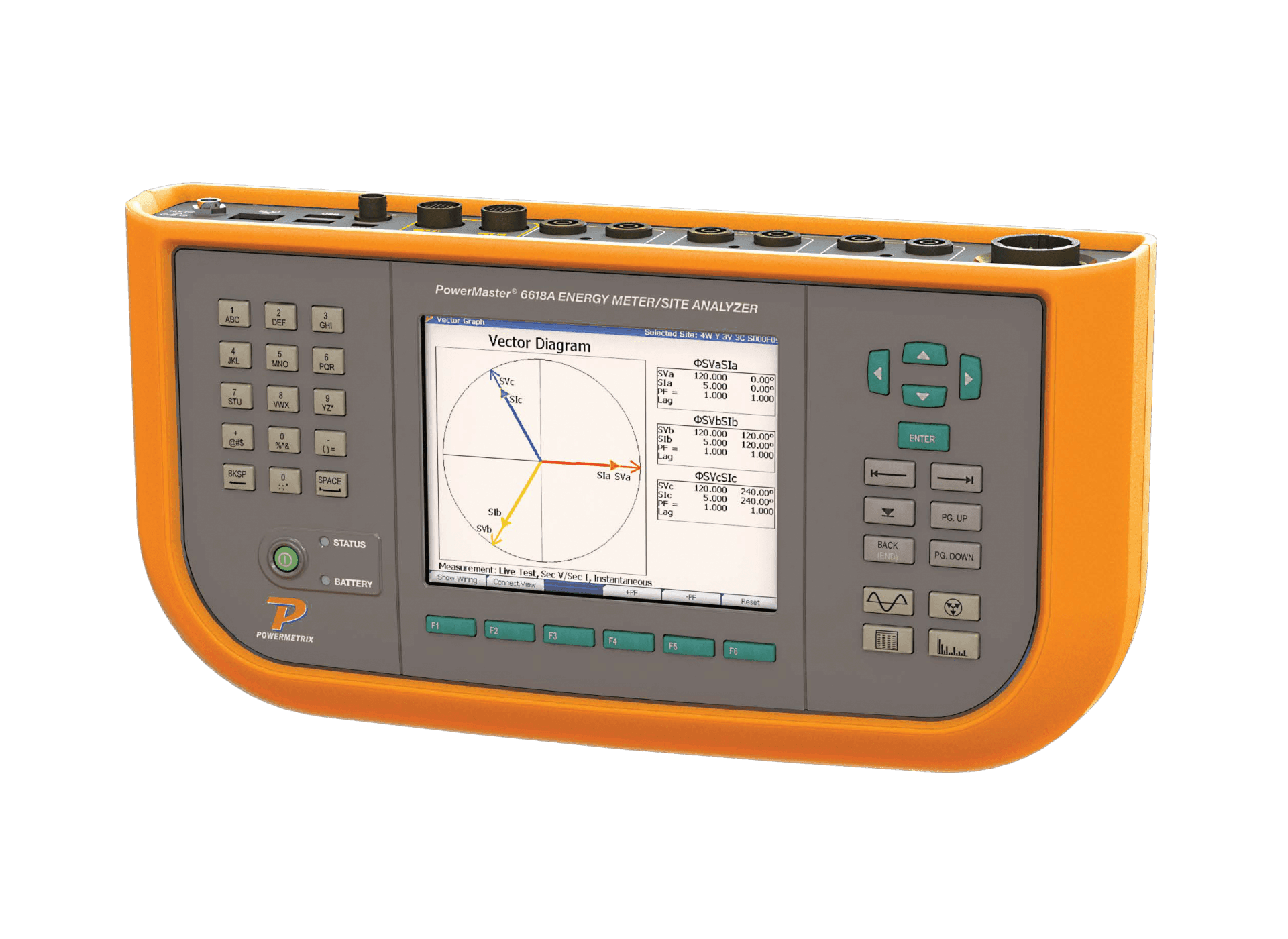
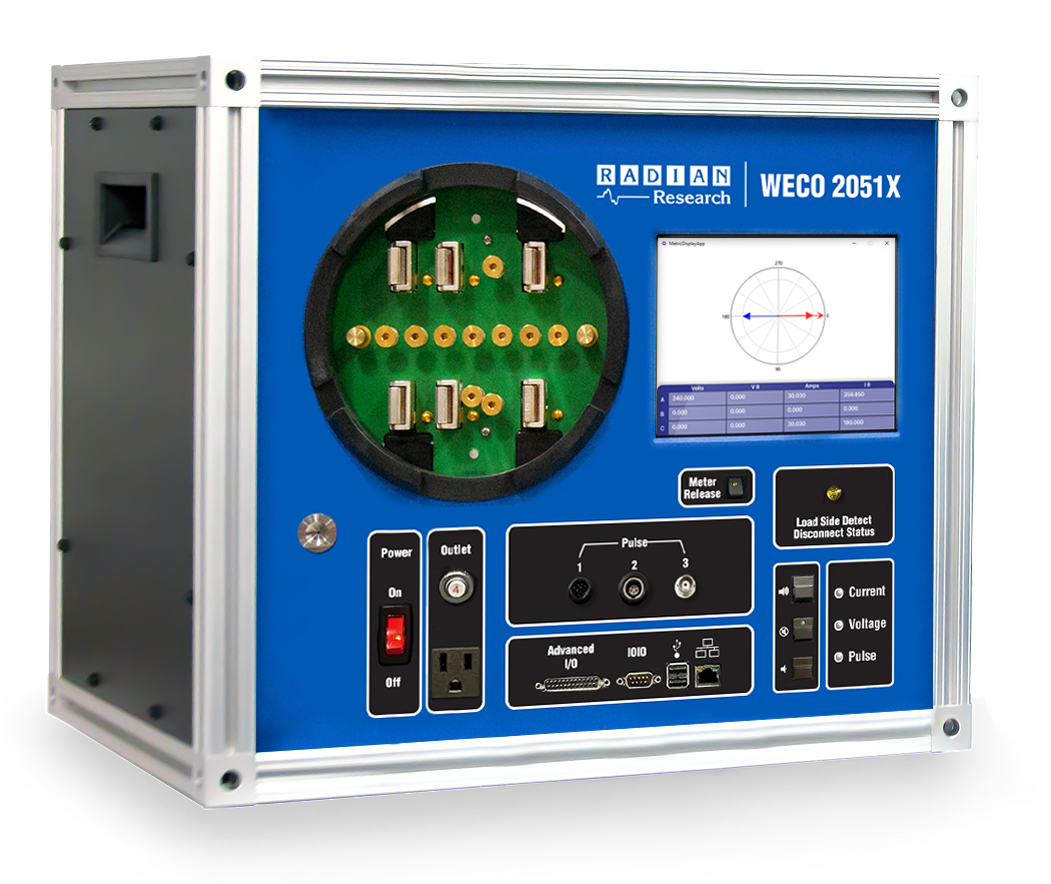
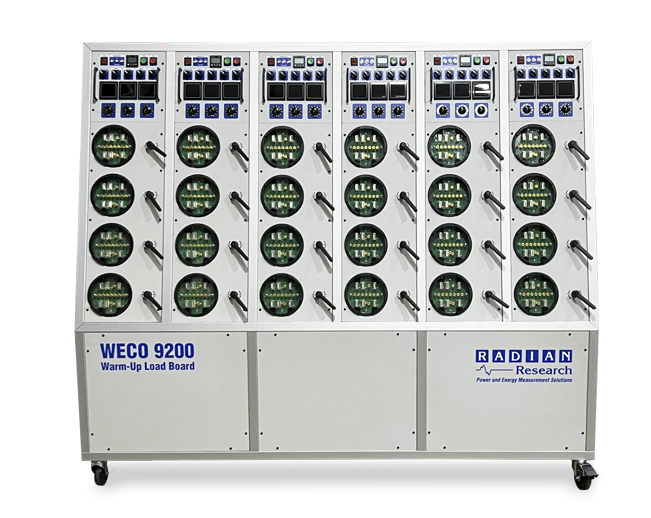
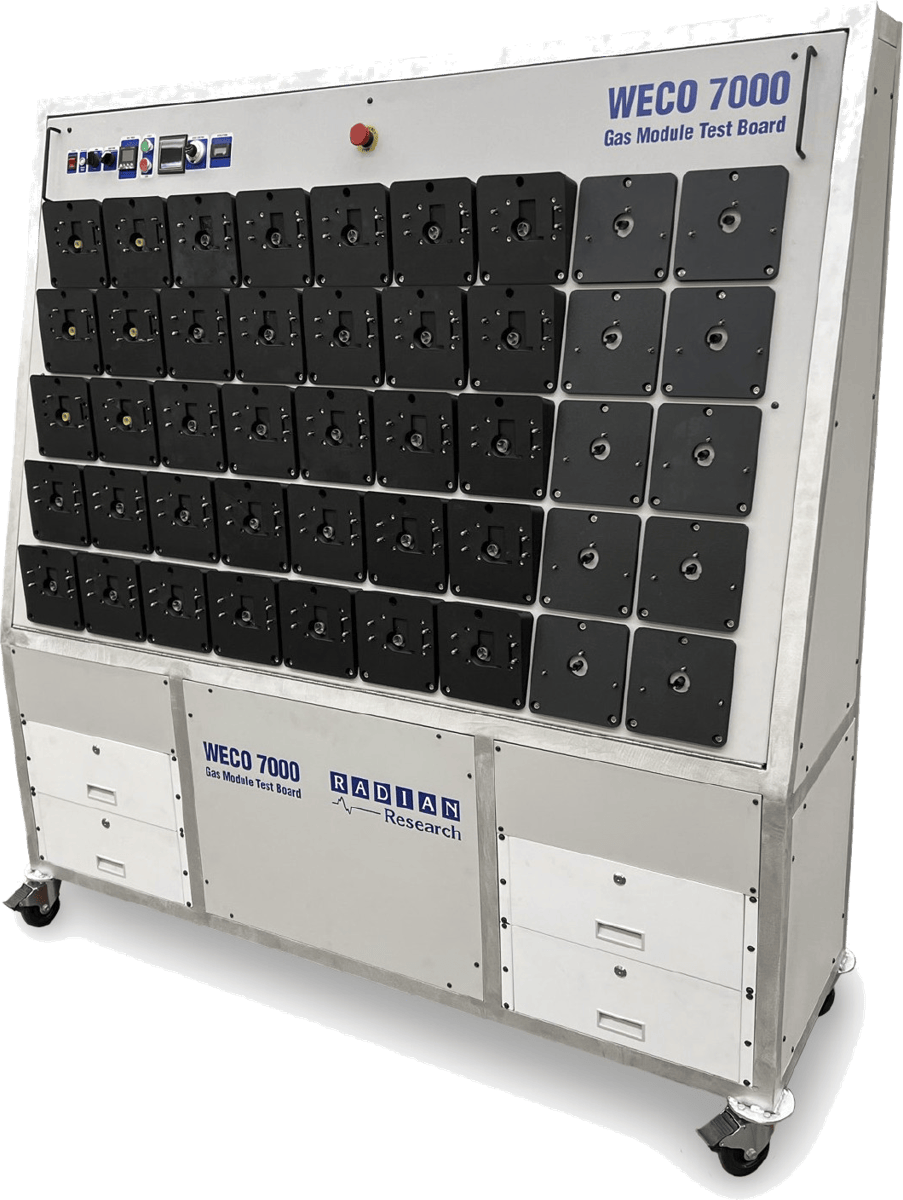
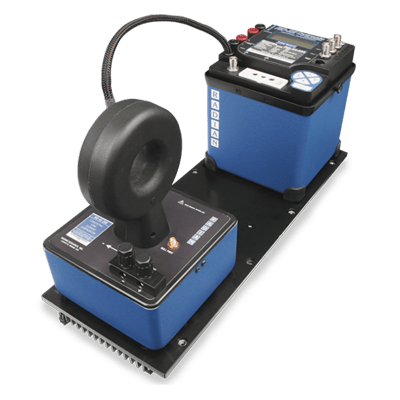
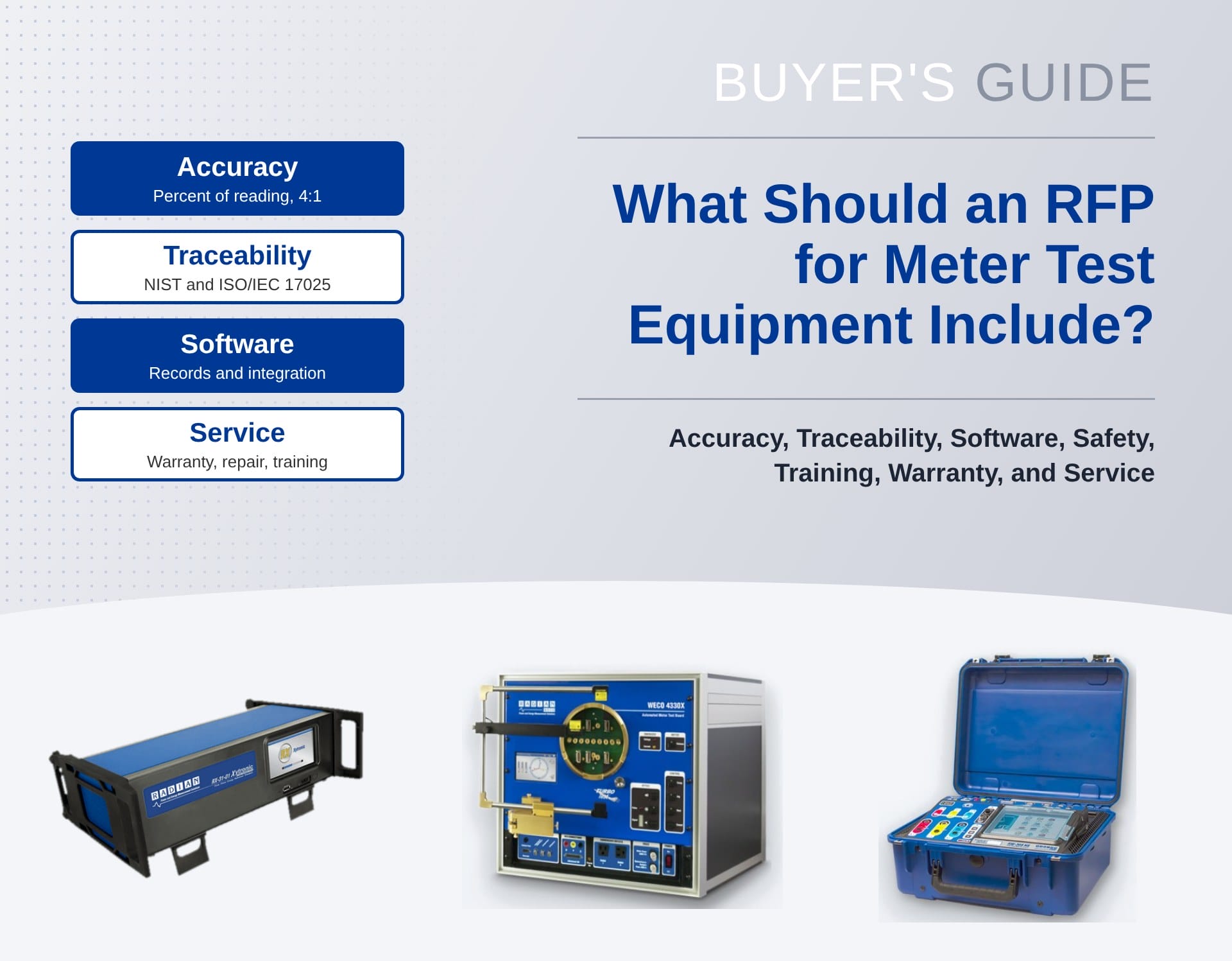
The checklist below covers reference standards, Test Boards, and field test equipment. Copy the sections that apply, and replace the examples with your own numbers. Radian Research builds all three kinds of equipment and answers RFPs every year; these are the questions that separate one proposal from another.
1. Scope: what you will test
Describe the work before you describe the equipment.
- Meter types and forms (for example, 1S, 2S, 9S, 12S, 16S, and 45S), and whether meters are self-contained or transformer-rated
- Where testing happens: lab, meter shop, field, or all three
- Single-phase, three-phase, or both, and whether you require true three-phase testing
- AMI meters, and any functional testing beyond accuracy
- Harmonic testing, if your program includes it
- Expected number of users and locations
2. Accuracy
Accuracy is where proposals differ most, so ask for it in a form you can compare.
- State the accuracy class required, and ask for accuracy at unity power factor and from 0.5 lag to 0.5 lead
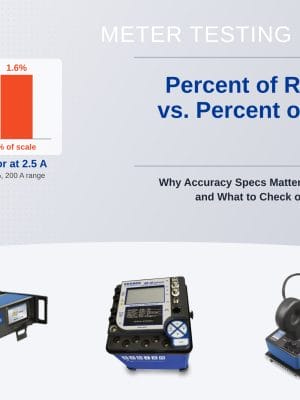
- Ask for accuracy in percent of reading, not percent of scale. A percent-of-scale figure grows as a share of the reading at low current. See Percent of Reading vs. Percent of Scale
- Ask what the figure includes: stability, temperature, repeatability, and calibration uncertainty, and the confidence level (for example, k = 2, 95%)
- Ask over what range the accuracy applies, for voltage, current, and power factor, and whether it changes at low current
- Require at least a 4:1 margin over the most accurate meters you test. See How Accurate Does Meter Test Equipment Need to Be?
3. Traceability and calibration
- An unbroken calibration chain to NIST, with a calibration certificate delivered with the equipment
- ISO/IEC 17025 accredited calibration, if your program requires it; ask for the lab’s certificate and scope
- Recommended calibration interval, and who can perform it: the manufacturer, a third-party lab, or your own lab
- Whether the reference standard inside a Test Board or field system can be removed for calibration, or compared in place
- Expected turnaround for calibration and whether on-site calibration is available
See What Does NIST Traceability Mean for Meter Testing? and How Often Should Reference Standards Be Recalibrated?
4. Software, data, and IT
- How test results are stored, and what record is kept for each test (meter ID, date, technician, test points, results, and the standard used)
- Export formats (for example, Excel or PDF) and integration with your meter data or asset management system
- Database platform, operating system, user roles, and security requirements your IT team will review
- Interfaces for automation, such as Ethernet with SCPI commands, if you build your own test systems
- Whether the same software runs shop, field, and lab equipment
5. Safety and environment
- Safety ratings for field equipment (for example, CAT IV 600 V and IEC 61010-1)
- Protection against wrong connections and overloads
- Operating temperature range and weight for portable equipment
- Remote operation, where technicians need distance from the work
6. Training, warranty, and service
- Training included with the purchase: on-site, at the factory, or online
- Warranty length, and options to extend it
- Repair: who performs it, where, and typical turnaround
- Availability of manuals and support contacts
- How long the vendor will support the model, and upgrade paths for older equipment
7. Acceptance and delivery
- Factory acceptance testing, if required, and what documentation ships with the equipment
- Site acceptance tests you will run before final payment
- Delivery time and installation support
8. Vendor qualifications
- Quality system certification (for example, ISO 9001)
- Utility references using the same equipment
- Who designs, builds, calibrates, and repairs the equipment
Write requirements you can score
Each requirement should have an answer you can compare. “High accuracy” can’t be scored; “±0.02% of reading at unity power factor from 20 mA to 200 A, including stability and calibration uncertainty, at k = 2” can. Ask vendors to answer every line in a table, and to attach data sheets and a sample calibration certificate.
Frequently asked questions
What is the most important requirement in a meter test equipment RFP?
Accuracy stated in a form you can compare: percent of reading, over the full range you use, including stability and calibration uncertainty, with at least a 4:1 margin over your meters.
Should an RFP require ISO/IEC 17025 calibration?
If your regulator or internal program requires a stated measurement uncertainty, yes. Ask for the lab’s accreditation certificate and scope.
Should we ask for percent of reading or percent of scale?
Percent of reading. A percent-of-scale specification grows as a share of the reading at low current, where many meter tests are run.
What should we ask about software?
How results are stored and exported, how they connect to your other systems, and what your IT team needs to approve it.
How do we compare warranty and service?
Ask for warranty length, repair location and turnaround, calibration options, and multi-year service plans, so you can compare the cost of ownership, not just the purchase.
Can RADIAN help write the specification?
Yes. Request a quote or contact RADIAN Support to talk through your requirements.