









What Records Should a Meter Shop Keep for Regulators?
The short answer
Requirements vary by state commission, but most expect a record for every meter tested: the meter ID, the test date, the test points and results, the technician, and the reference standard used along with its calibration traceability. Behind those records sit two more sets: the calibration history of your standards and the records of your testing program.
Keeping these records in a database rather than on paper makes them easy to find for an audit, a customer dispute, or a regulator’s question. Radian Research’s WATT-Net software stores each result with the meter’s lifecycle history for this reason.
Records for every meter test
| Record | Why it matters |
|---|---|
| Meter ID (serial or badge number) | Ties the test to one meter and its history |
| Meter type, form, and manufacturer | Shows the right test was run for the meter |
| Test date and location | Shows when and where the test was performed |
| Reason for the test | New meter, in-service sample, periodic test, customer complaint, or removal |
| Test points and results | Full load, light load, power factor, and any others your procedure requires |
| As-found and as-left results | Shows the condition when tested and after any adjustment |
| Technician | Shows who performed the test |
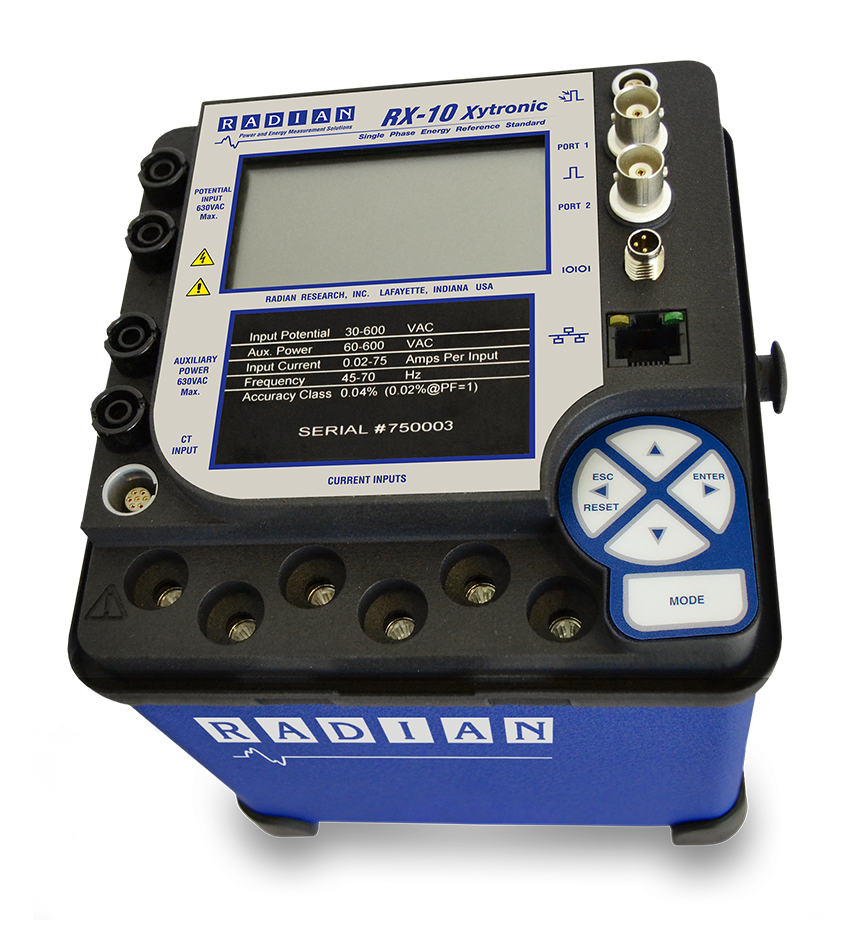
| Reference standard used | Serial number and calibration due date, so the result traces to NIST |
| Pass or fail, and what happened next | Returned to service, adjusted, repaired, or retired |
Records for your reference standards
A test result is only as good as the standard behind it. Keep:
- Calibration certificates for every standard, with the as-found results and the lab’s traceability
- Calibration dates and due dates, so no standard is used past its interval
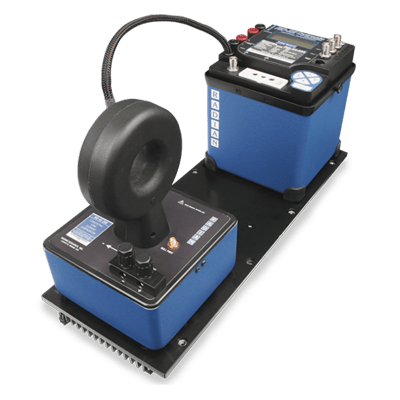
- Standards compare records between calibrations, showing your standards still agree
- Out-of-tolerance actions: what was found, which tests may be affected, and what you did about it
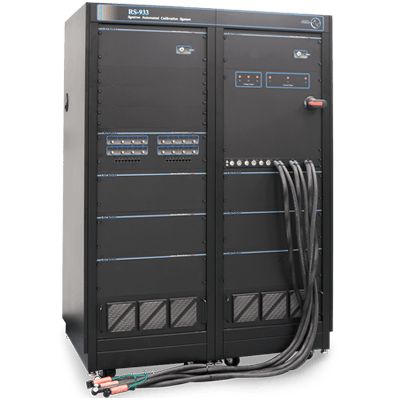
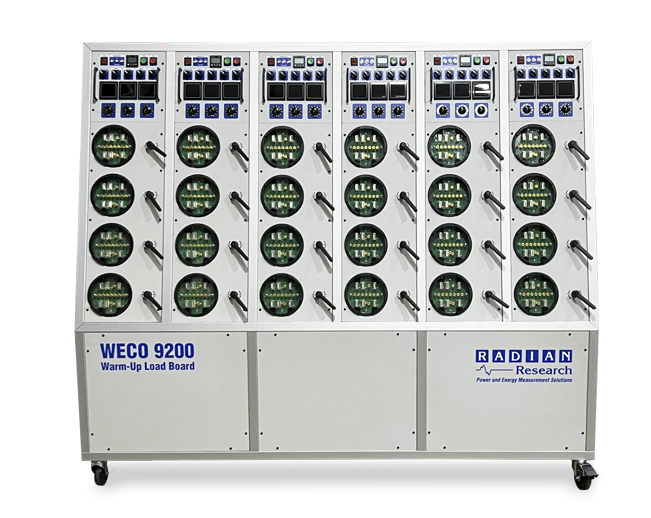
- Repair and maintenance history for each standard and Test Board
See How Often Should Reference Standards Be Recalibrated? and Can We Calibrate Our Reference Standards In-House?
Records for your testing program
- In-service and sampling program records: how meters were grouped, which were selected, and the results for each group. See How Does Sample-Based Meter Testing Work?
- Written test procedures, with revision dates
- Training records for technicians
- Customer complaint tests and their outcomes
How long to keep them
Retention periods are set by each state commission and can differ by record type. Check your commission’s rules, and keep records at least as long as the meter is in service plus the period your commission requires. Many shops keep calibration certificates for the life of the standard.
Paper, spreadsheets, or a database?
Paper and spreadsheets can work for a small program, but they make three things hard: finding every test for one meter, proving which standard was used, and showing a regulator the status of a sampling program partway through the year.
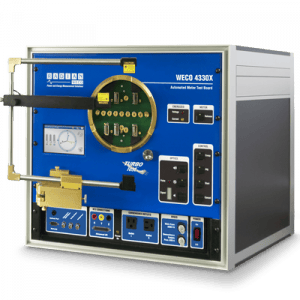
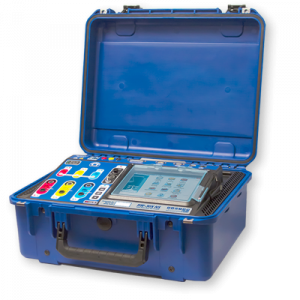
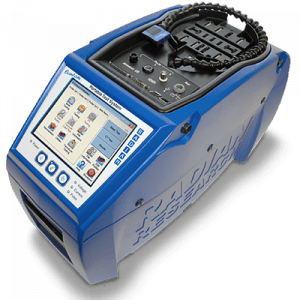
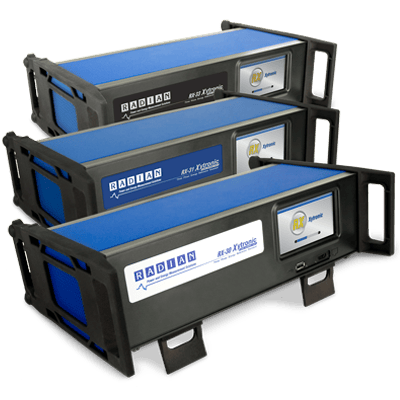
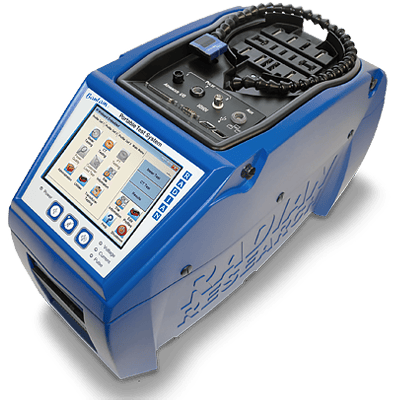
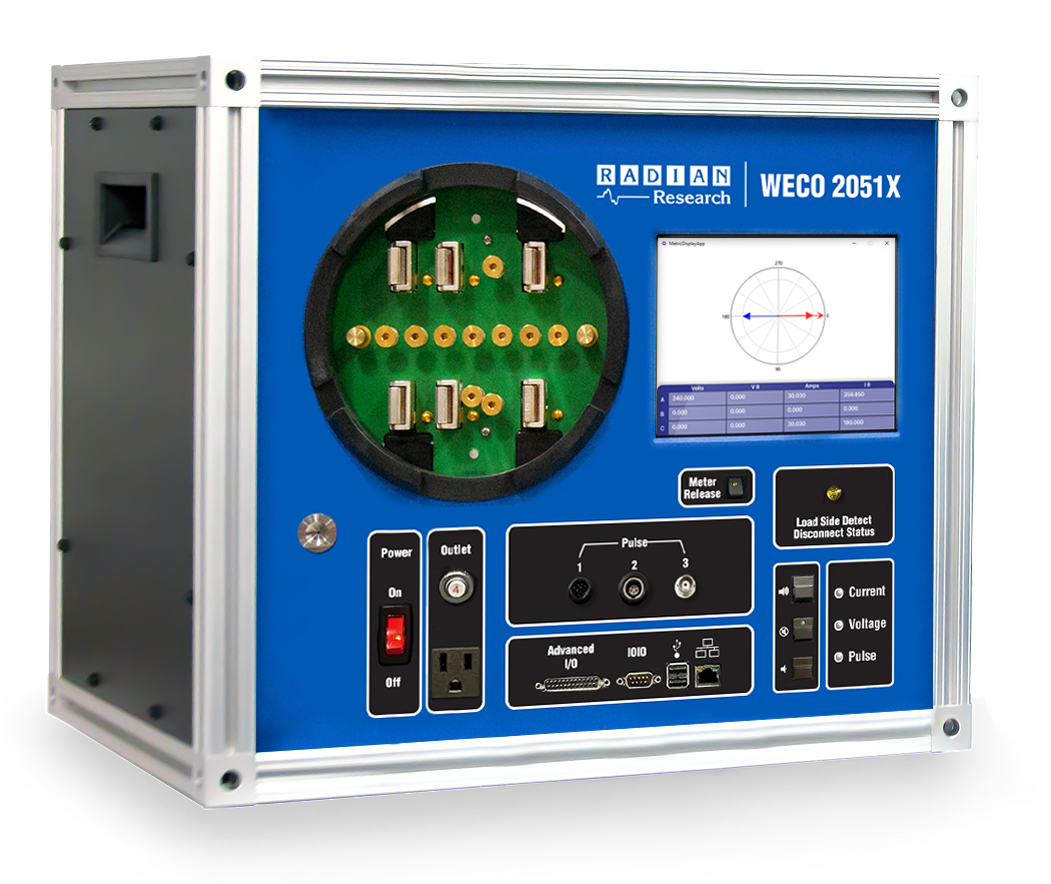
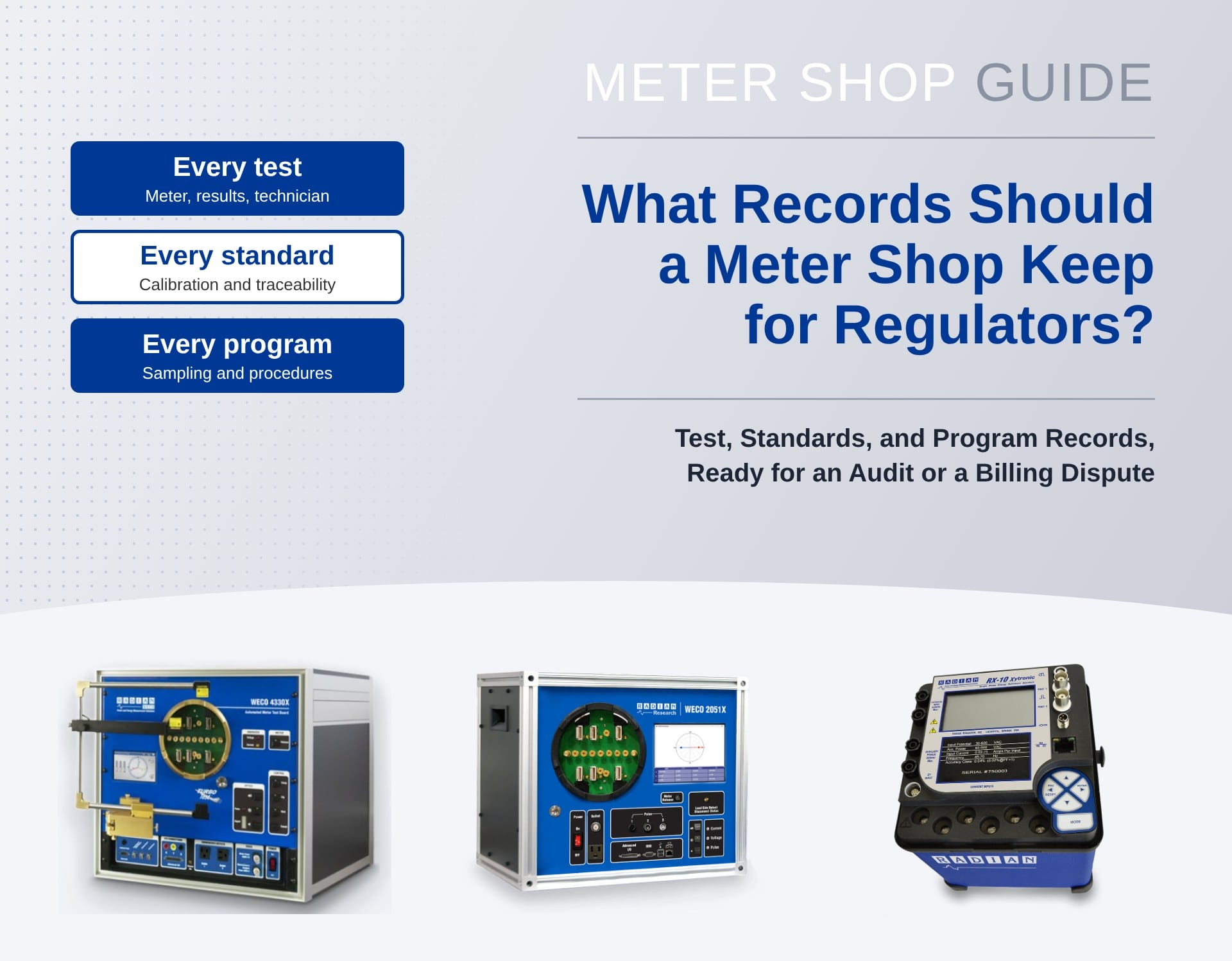
A meter shop database solves all three. WATT-Net stores each test with the meter’s lifecycle record, tracks the calibration of standards through the Equipment Support Module, and manages sampling programs through the Sample and Periodic Testing Module. Results from RADIAN and WECO test equipment, in the shop and the field, flow into the same database.
An audit-ready checklist
- Every meter test has an ID, date, technician, results, and the standard used
- Every standard has a current calibration certificate and a due date
- Standards compare results are on file between calibrations
- Out-of-tolerance events are documented with the follow-up
- Sampling program status can be shown at any point in the year
- Written procedures and training records are current
- You can retrieve all of a single meter’s history in minutes
Frequently asked questions
What records should a meter shop keep?
A record for every meter tested (meter ID, date, test points and results, technician, and the reference standard used), plus calibration records for your standards and records of your testing program.
How long should meter test records be kept?
It depends on your state commission. Check its rules, and keep records at least as long as the meter is in service plus the required period.
Why record the reference standard used?
It proves the test result traces to NIST. If a standard is later found out of tolerance, it also shows which tests may be affected.
What are as-found and as-left results?
As-found results show the meter’s condition when tested. As-left results show its condition after any adjustment, before it goes back into service.
Do regulators accept electronic records?
Most do, and a database makes records easier to retrieve and harder to lose. Check your commission’s requirements.