






Revenue Protection Through Field-Based Meter Site Analysis

Why Meter Accuracy Alone Isn’t Enough
Every electric bill represents a financial transaction: energy is consumed, payment is exchanged, and both the utility and the customer expect it to be fair. Utilities invest heavily in meter testing programs to ensure meters meet regulatory and ANSI accuracy requirements. However, meter accuracy alone does not guarantee accurate billing.
A revenue meter can pass every laboratory test and still produce an incorrect bill once installed in the field. That’s because the meter is only one component of a much larger measurement system that includes wiring, current transformers (CTs), potential transformers (PTs), test switches, burden, and billing system configuration.
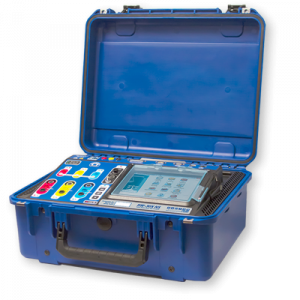
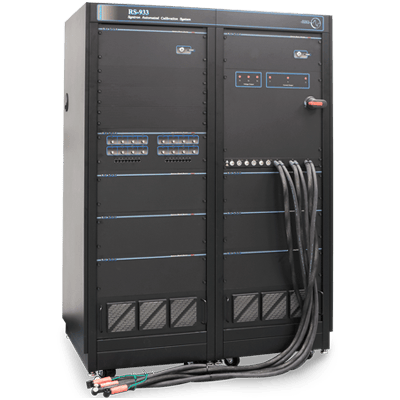
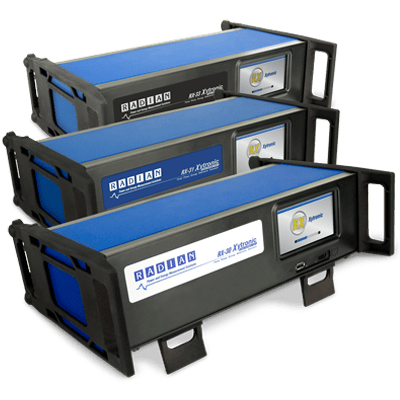
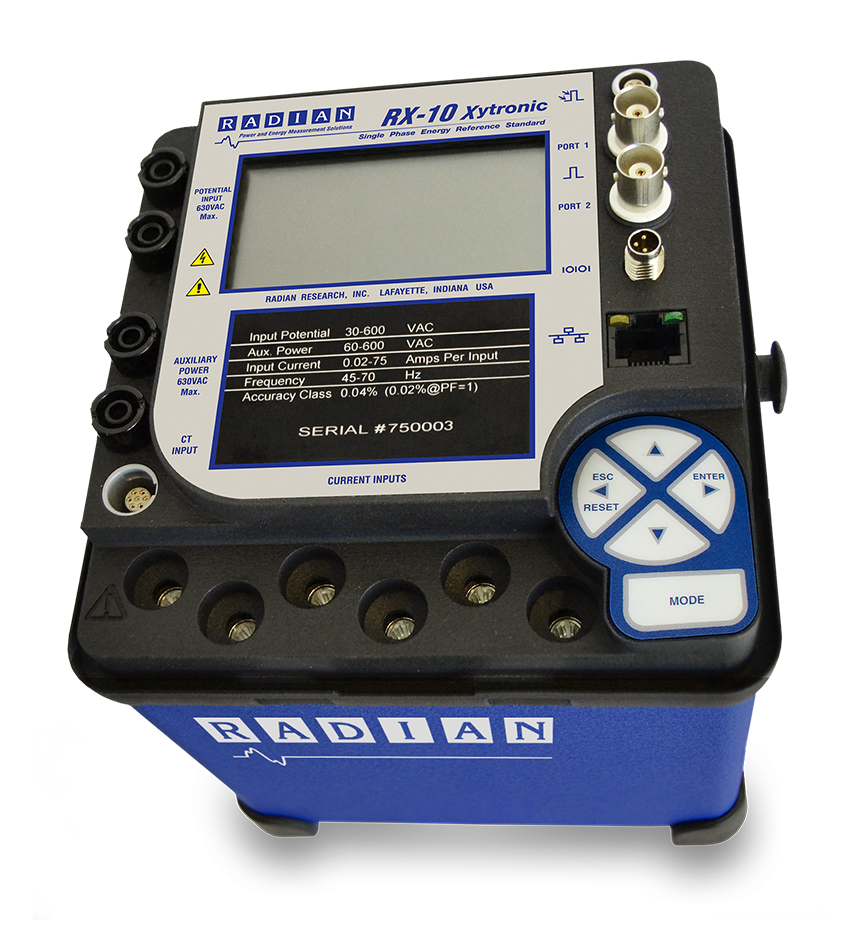
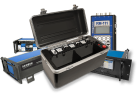
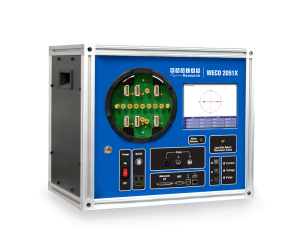
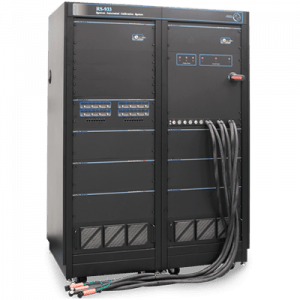
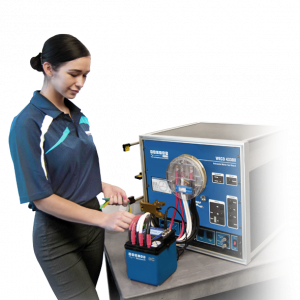
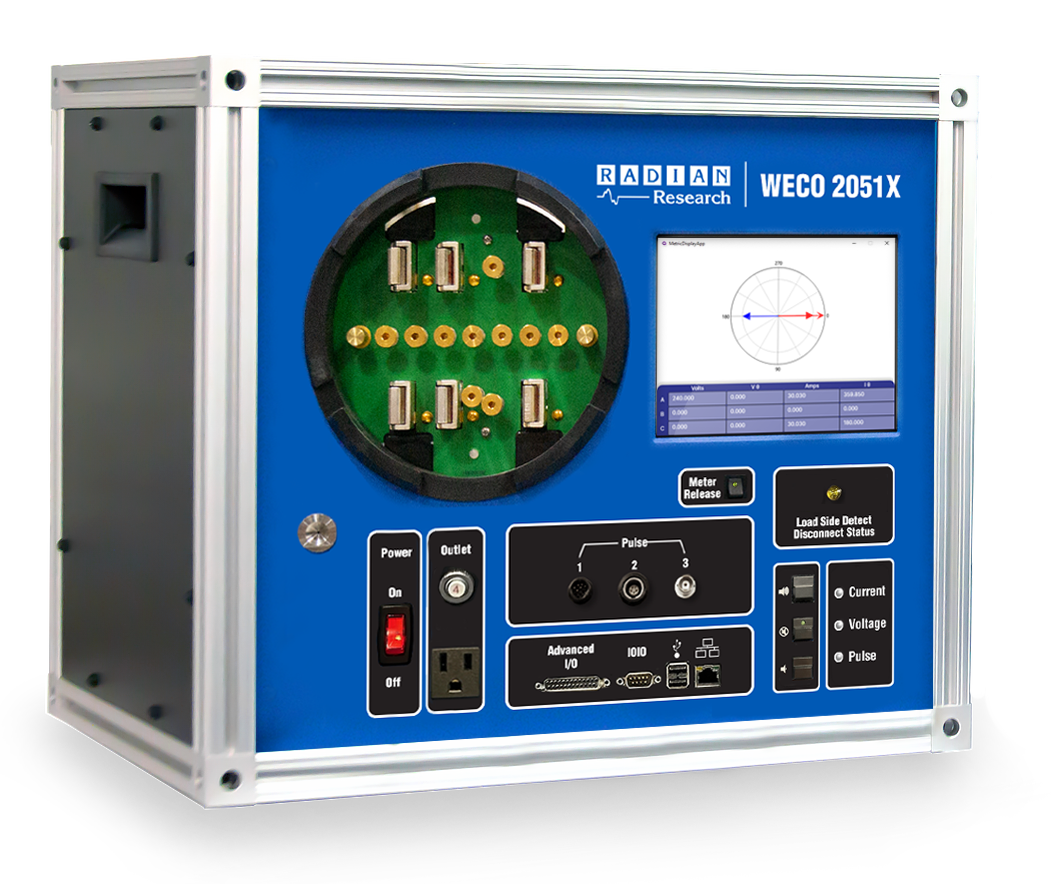
Field-based meter site analysis evaluates the entire system under real-world conditions, uncovering issues that shop testing alone cannot detect.
Legal, Regulatory, and Business Drivers
Utilities test meters to comply with:
- Public Service Commission (PSC) requirements
- ANSI C12 standards
- Internal utility best practices
Standard shop testing verifies meter accuracy at full load, light load, and specific power factor conditions. These tests confirm the meter performs correctly in isolation.
They do not confirm that the meter is measuring the site accurately once installed.
Transformer-Rated Sites: Where Risk Increases
Transformer-rated metering sites introduce multiple additional sources of error, including:
- Wiring and phasing mistakes
- CT polarity and ratio errors
- Excessive or unbalanced burden
- Administrative configuration mistakes
- Undetected theft
Industry experience consistently shows:
- Up to 5% of transformer-rated sites contain significant errors
- Those few sites account for a disproportionate share of revenue loss
- Individual site losses often reach tens or hundreds of thousands of dollars over time
The magnitude of loss depends on:
- Type and severity of the error
- Duration (months, years, or decades)
- Size and load profile of the customer
Common Error Categories and Their Impact
Wiring Errors
Wiring issues at meter sockets, CT secondaries, or test switches can cause:
- Negative power registration
- Zero energy registration on one or more phases
- Partial loss that appears plausible but is materially incorrect
Because real energy is calculated using:
Watt-hours = Voltage × Current × Power Factor × Time
Even small phase-angle errors can significantly reduce recorded energy.
CT and PT Errors
CT-related problems include:
- Incorrect CT ratios
- Reversed polarity
- Cross-phased connections
- Excessive burden from long wire runs or improper terminations
Many CT accuracy classes have no defined performance specification below 10% rated load, which is where many sites operate for large portions of the day.
Administrative Errors
Revenue loss is not always electrical in nature. Common administrative issues include:
- Incorrect billing multipliers
- Configuration mismatches between field equipment and billing systems
- Data entry or setup errors
In some cases, administrative errors alone have resulted in six-figure annual losses.
Why Visual Inspections Fall Short
Visual inspections are often insufficient because:
- Meter sockets hide internal connections
- Aged or dirty wiring obscures polarity and phasing
- CT nameplates and polarity markings may be inaccessible
- Tracing conductors across multiple cabinets is difficult or impossible
Many serious revenue-impacting errors appear completely normal during a visual check.
Field Testing Methods That Reveal Hidden Problems
Customer Load Testing
Customer load testing evaluates the metering system under actual operating conditions, capturing:
- True load balance and harmonics
- Real phase relationships
- Environmental and connection-related issues
When the installation is correct, the meter and test equipment should see identical:
- Voltages
- Currents
- Phase angles
- Power and energy values
Any discrepancy indicates a site issue rather than a meter accuracy problem.
Phantom Load Testing
Phantom load testing applies a controlled voltage and current source through the installed wiring. This enables:
- ANSI accuracy testing through the test switch
- Four-quadrant power validation
- Element and phase verification
This method isolates wiring and configuration errors while removing customer load variability.
CT Testing
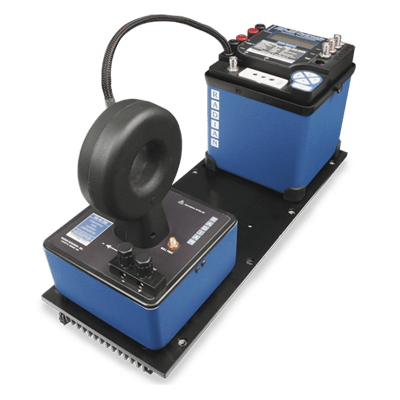
Field CT testing verifies:
- Ratio accuracy
- Phase-angle error
- Burden impact on performance
CT testing is especially critical at low current levels where accuracy class specifications may not apply.
Real-World Revenue Loss Scenarios
Field investigations routinely uncover:
- Two-thirds revenue loss from a single reversed phase
- Total loss caused by cross-phased current circuits
- One-third loss when a voltage or current phase is missing
- Significant overbilling caused by mismatched CT ratios
In many cases, the meter tests 100% accurate while billing errors exceed $100,000 per year due to installation or configuration issues.
Errors That Occur Even When Everything Is “Correct”
Even when wiring, CTs, and billing configuration are correct, revenue loss can still occur due to power factor.
Watts vs. Watt-hours: Why the Difference Matters
- Watts (W) measure instantaneous power.
- Watt-hours (Wh) measure energy consumed over time.
Customers are billed on watt-hours (Wh), not watts.
Utilities must deliver volt-amps (VA) to serve customer load, but billing is based on the real energy recorded in watt-hours:
Watt-hours = Voltage × Current × Power Factor × Time
When power factor is less than unity:
- The utility delivers more VA to supply the same watt-hours
- The difference represents unbilled energy unless mitigated
As power factor decreases, the gap between delivered energy and billed energy increases, creating measurable revenue loss even when all equipment is operating correctly.
Managing Power Factor-Related Losses
Utilities may address power factor-related losses through:
- Power factor penalties
- VAR or VAR-hour billing
Customers may mitigate these costs by:
- Installing capacitor banks
- Improving load characteristics
Building an Effective Revenue Protection Strategy
A comprehensive approach includes:
- Routine field site analysis for transformer-rated accounts
- Targeted testing of high-revenue customers
- Proper CT sizing and re-evaluation when load profiles change
- Burden control through wiring best practices
- Use of high-accuracy or extended-range CTs
- Verification of billing system configuration
The cost of field test equipment is small compared to the potential recovery of lost revenue.
Key Takeaway
Meter accuracy testing is necessary — but not sufficient. True revenue protection requires field-based verification of the entire metering system.
Utilities that combine lab testing with comprehensive site analysis gain:
- Increased revenue assurance
- Improved customer confidence
- Reduced regulatory and legal risk
The largest revenue losses often come from a very small number of sites — and they remain invisible without field-based testing.
Need more information? Visit radianresearch.com or call 765-449-5500.