






How Does Sample-Based Meter Testing Work?
The short answer
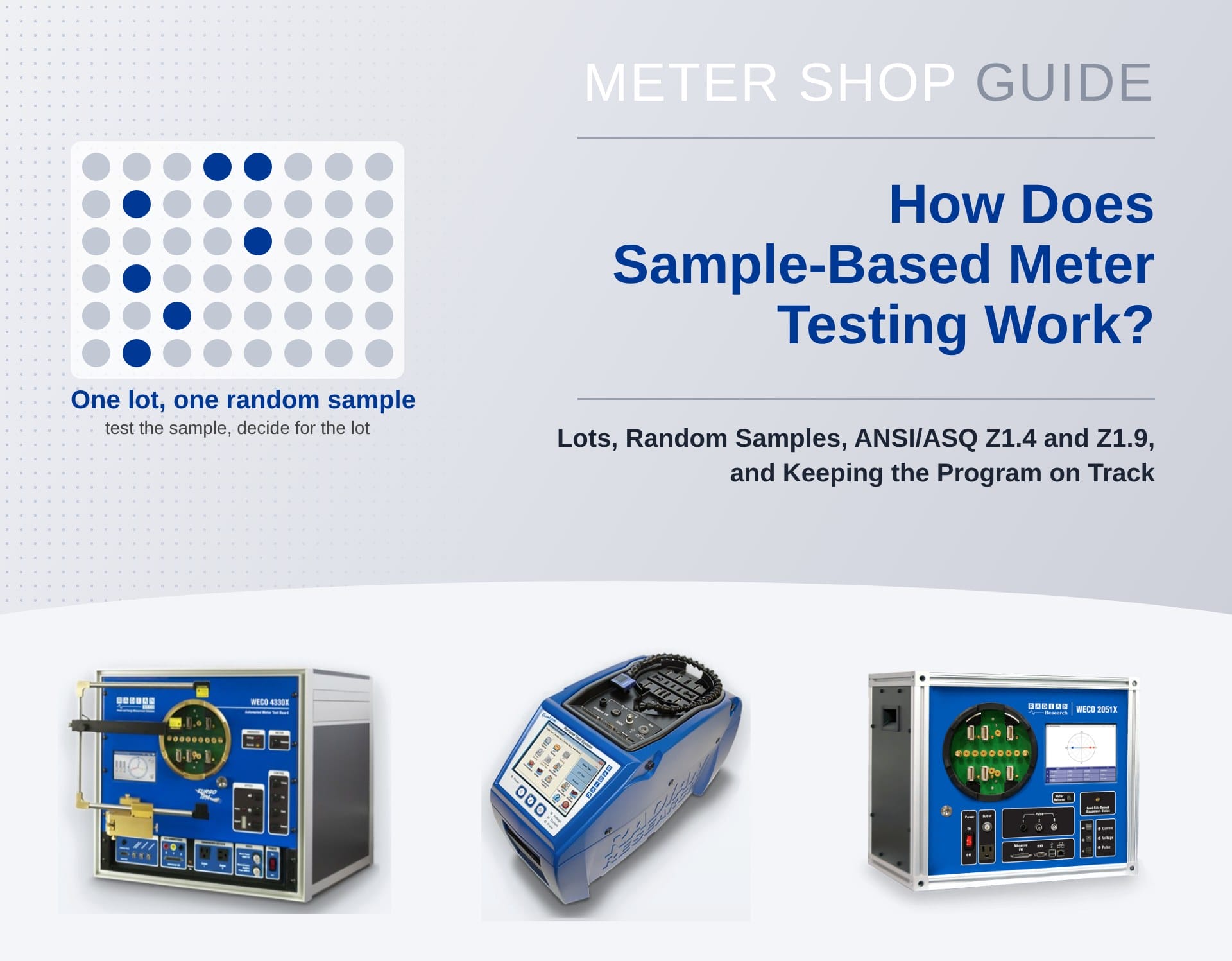
A utility can’t test every installed meter every year. A sample-based program tests a statistically chosen share of meters from each group, or lot, and uses the results to decide whether the whole group is still accurate. If a sample passes, the lot stays in service. If it fails, the utility tests more meters or replaces the lot.
ANSI C12.1 describes in-service testing programs, including statistical sampling. The sampling plans themselves usually come from ANSI/ASQ Z1.4 (sampling by attributes) or ANSI/ASQ Z1.9 (sampling by variables). Your state commission decides which programs it accepts.
Three kinds of in-service programs
| Program | How it works |
|---|---|
| Periodic | Each meter is tested on a fixed schedule, for example every certain number of years |
| Variable interval | The test interval for a group changes with its results: good results stretch it, poor results shorten it |
| Statistical sampling | A sample from each lot is tested each year, and the lot is accepted or rejected based on the sample |
Many utilities use statistical sampling because it shows the accuracy of the whole population while testing far fewer meters than a periodic program.
How a sampling program works, step by step
- Group meters into lots. A lot is a group of meters that should perform alike, typically the same manufacturer, type, and age.
- Choose the sampling plan. The plan sets the sample size for each lot size and the rule for accepting or rejecting the lot.
- Select the sample at random. Every meter in the lot should have an equal chance of being chosen.
- Test the sample. Meters are tested in the shop or the field against a reference standard, at the test points your procedure specifies.
- Decide on the lot. Compare the results with the plan’s acceptance rule. A passing lot stays in service; a failing lot is tested further or scheduled for replacement.
- Record and report. Keep the lot definitions, the selected meters, each result, and the decision, so the program can be shown to your commission.
Attributes or variables?
| Plan | What it looks at | Typical use |
|---|---|---|
| ANSI/ASQ Z1.4, sampling by attributes | Whether each meter passes or fails | Simple to apply; uses larger samples |
| ANSI/ASQ Z1.9, sampling by variables | The measured error of each meter, and how the errors are spread | Uses smaller samples for the same confidence, because it uses more of the data |
Some programs also use military sampling standards such as MIL-STD-414.
What makes a program hold up
- Accurate test equipment. A sample result is only meaningful if the standard is at least four times more accurate than the meters. See How Accurate Does Meter Test Equipment Need to Be?
- Honest lots. Mixing meter types in one lot can hide a problem in one of them.
- Truly random selection, documented so it can be shown to a regulator.
- Completed tests. Meters selected but never tested leave gaps in the program.
- Clear records. See What Records Should a Meter Shop Keep for Regulators?
Keeping track through the year
Sampling programs run all year, and the hardest part is often tracking them: which meters were selected, which have been tested, which lots have failed, and what substitutions were made.
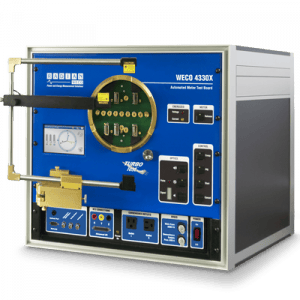
Radian Research’s WATT-Net Sample and Periodic Testing Module manages random, in-service, and periodic programs with built-in ANSI and MILSPEC sampling protocols. It tracks yearly progress, failed lots, and oversamples or alternatives, and supports third-party sample selection or test results.
Frequently asked questions
What is a meter sampling program?
A program that tests a random sample from each group of installed meters and uses the results to decide whether the whole group is still accurate.
Which standards define meter sampling plans?
ANSI C12.1 describes in-service testing programs. Sampling plans commonly follow ANSI/ASQ Z1.4 (attributes) or ANSI/ASQ Z1.9 (variables). Your state commission decides which programs it accepts.
What is a lot in meter sampling?
A group of meters expected to perform alike, typically the same manufacturer, type, and age.
What happens if a lot fails?
The utility tests more meters from the lot or schedules the lot for replacement, according to its plan and its commission’s rules.
What is the difference between sampling by attributes and by variables?
Attributes sampling counts passes and failures. Variables sampling uses each meter’s measured error, which usually allows a smaller sample for the same confidence.
Can software manage a sampling program?
Yes. The WATT-Net Sample and Periodic Testing Module manages lots, selection, progress, and failed lots through the year.