


















How Often Should Reference Standards Be Recalibrated?
The short answer
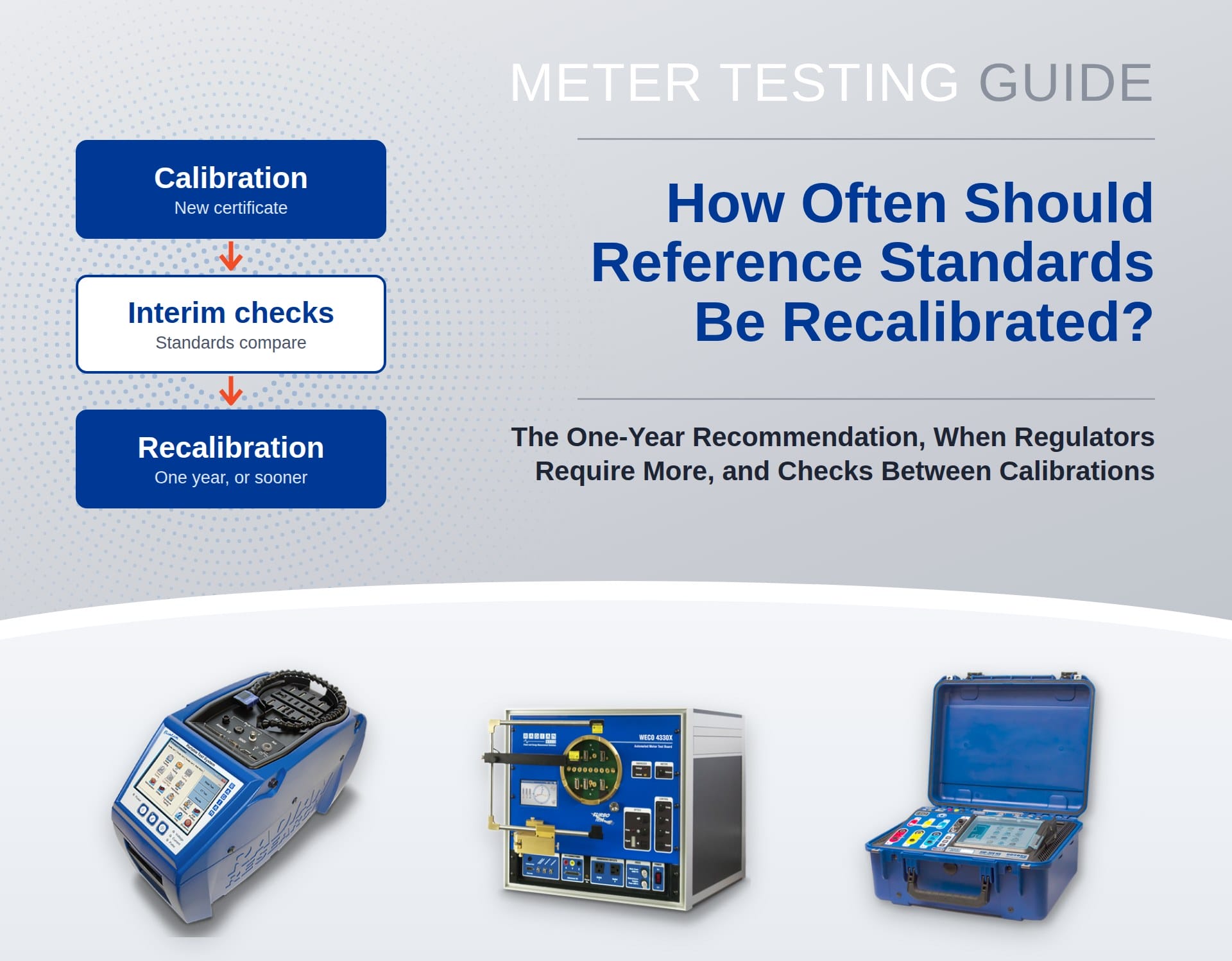
Radian Research recommends recalibrating its reference standards once a year. That is the starting point, not the ceiling. Your regulator may require a shorter interval, and some utilities recalibrate every three months because their commission says so. The right interval is the shortest one of these: your regulator’s rule, your own quality procedure, and the manufacturer’s recommendation.
Why reference standards need recalibration at all
A reference standard is the measuring stick your meter shop uses to judge every meter. Even a very stable standard changes slightly over time, from age, temperature, handling, and shipping. Recalibration measures how the standard is performing now, documents any change since its last calibration, and confirms it is still within its specifications. A calibration without adjustment doesn’t correct those changes. It gives you the evidence that the standard is still good to use.
Recalibration also keeps your traceability current. A calibration certificate is valid only until its due date. If a standard goes past its due date, the chain back to NIST is broken for every meter tested against it from that day on. For more on why that matters, see What Does NIST Traceability Mean for Meter Testing?
RADIAN’s recommendation: once a year
For RADIAN reference standards, the recommended interval is one year. A yearly calibration:
- confirms the standard is still within its specification,
- records how much it moved since the last calibration, and
- renews the certificate that ties your meter test results to NIST.
Standard RADIAN calibration is NIST-traceable. ISO/IEC 17025 accredited calibration, with a stated uncertainty for each result, is available as an option.
When your regulator requires more often
Many state commissions set their own calibration rules for meter test equipment, and those rules come first. New York’s rules for meter service providers are one example. Standards must be calibrated at least as often as the manufacturer recommends, and no less than once a year. Standards used to test customer meters must also be point-checked against another standard every week.
Other commissions set different intervals. RADIAN works with utilities whose regulators require their standards to be calibrated every three months. Check your own commission’s rules, and write the interval you follow into your quality procedure.
What else can shorten the interval
Even where the rules allow a full year, a shorter interval can make sense when:
- The standard is used heavily, such as a standard that certifies Test Boards every day.
- It travels. Field standards ride in trucks and see wider temperature swings than lab standards.
- Its history shows movement. If the as-found results at each calibration show the standard moving toward its limit, calibrate sooner.
- It was dropped, damaged, or repaired. Recalibrate before putting it back in service.
- An audit is coming. A fresh certificate close to the audit date is easier to defend.
A history of small, steady changes is good evidence for staying at one year. Keep every certificate, so you can show that history.
Checking between calibrations
Interim checks catch a problem before the next calibration date. They don’t replace calibration, but they show that the standard stayed in tolerance between calibrations.
The usual method is a standards compare: run the standard side by side with a second standard on the same test points and compare the readings. If the difference stays within what your procedure allows, the standard is still good. If it doesn’t, take it out of service and have it calibrated.
How often to check depends on your rules. Some require weekly checks, as New York does. Others leave it to your quality procedure.
Standards built into test equipment
Many meter test systems have a RADIAN reference standard inside. How each one is checked and calibrated depends on whether the standard can be removed:
| Equipment | Standard inside | How it is calibrated in service |
|---|---|---|
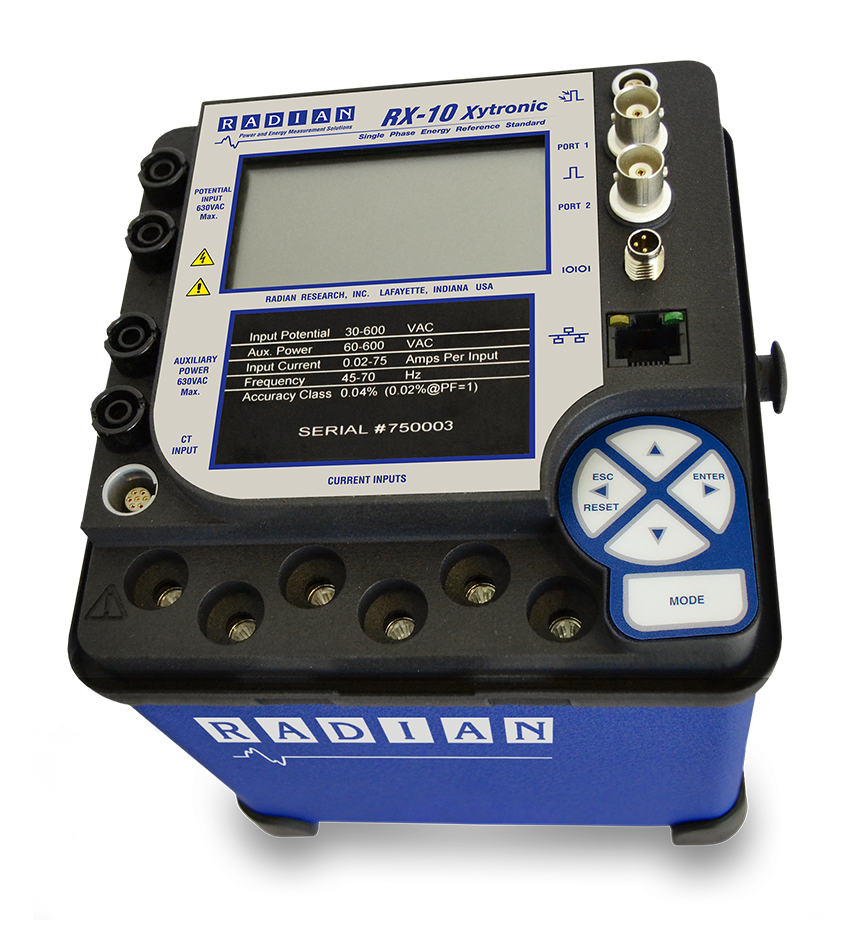
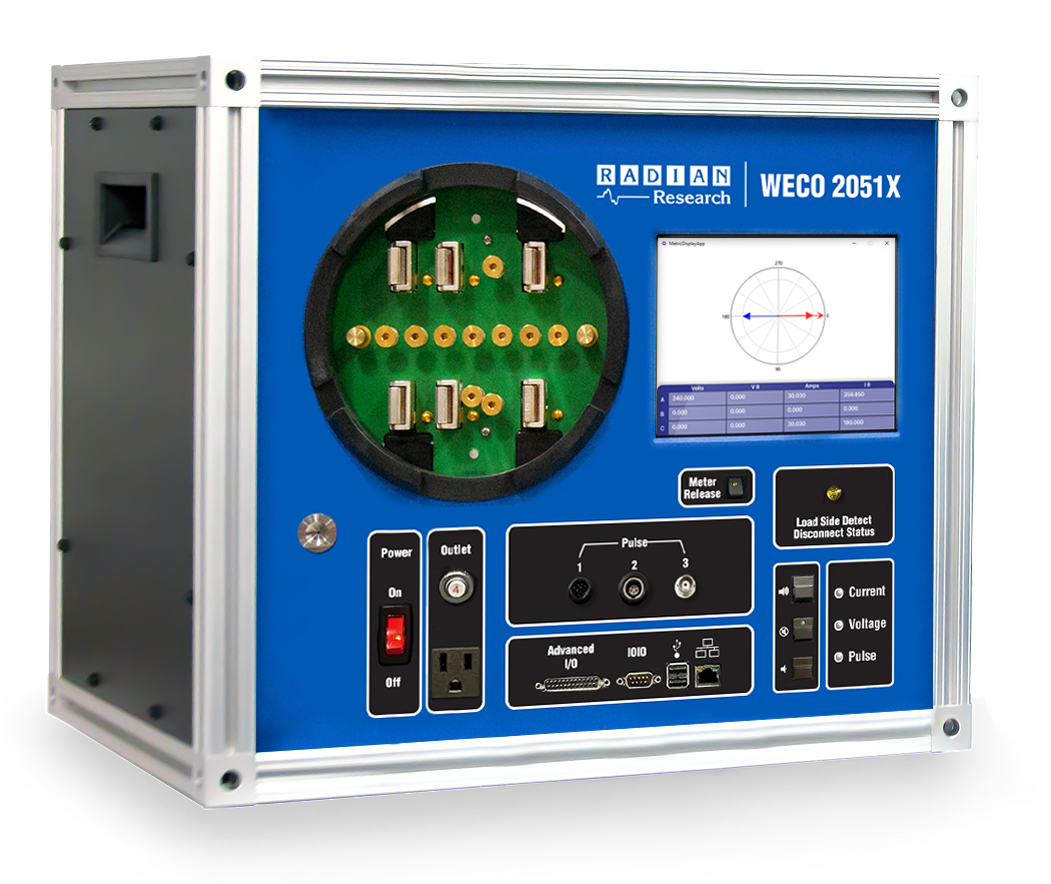
| WECO 4050X Test Board | A removable RADIAN RX-30, RX-31, or RX-33 | Remove the standard and send it for calibration, or check it in place by a standards compare |
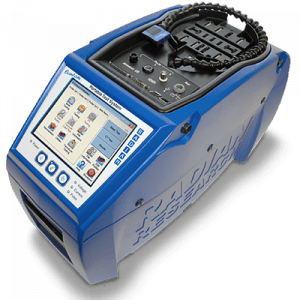
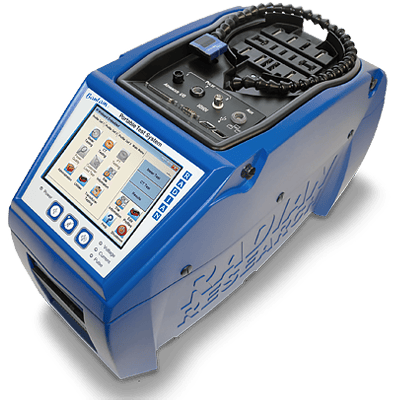
| RADIAN Bantam Plus | An internal RADIAN RD-20 (RB-20) or RD-21 (RB-21) | A standards compare against an external standard. The internal standard is not designed to be removed. |
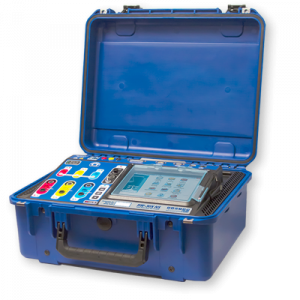
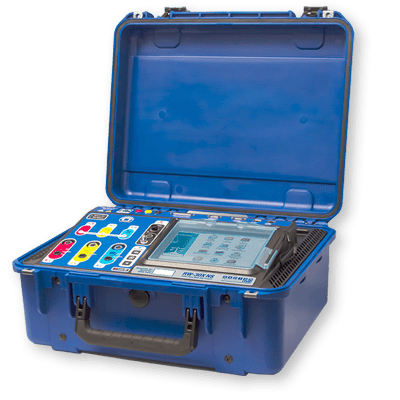
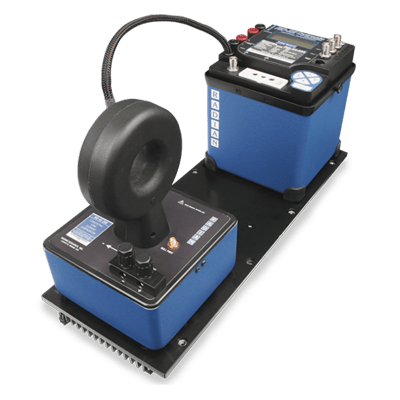
| RADIAN RW-30X / RW-31X | An internal RADIAN RX-30 or RX-31 | A standards compare, or directly against a RADIAN RS-933. The internal standard is not designed to be removed. |
Built-in standards follow the same interval rules as standalone ones. The interval applies to the standard, wherever it sits.
Planning around the time a standard is away
Recalibration only works as a habit if the meter shop can plan for it.
- Turnaround: typical calibration turnaround at RADIAN is 3 to 5 days. Expedited service is available for a fee.
- On-site calibration: RADIAN can calibrate reference standards, most Test Boards, and other test systems that can produce voltage and current at your site, so the equipment never leaves the shop. Because no adjustments are made in the field, the as-found and as-left results on an on-site certificate are the same.
- Stagger due dates. If the shop has two or more standards, don’t let them come due in the same week. One can keep working while the other is away.
- Set a reminder. Set up a recalibration reminder in the RADIAN Customer Portal, so you hear from RADIAN before each due date.
- Schedule the work. RADIAN customer service can open an RMA for ship-in calibration, or put you in touch with a RADIAN support person to schedule the work.
- Care Plans. A RADIAN Care Plan covers recalibration, so the yearly calibration is planned and budgeted in advance.
What to keep on file
- A calibration certificate for every standard, with the as-found results and the due date.
- Your interval, in writing, with the rule or procedure it comes from.
- Interim check records, including the date, the standard compared against, and the result.
- Meter test records that name the standard used, so each result ties to a current certificate.
You can see what a RADIAN calibration report looks like in our sample calibration reports.
Frequently Asked Questions
How often should a watthour reference standard be recalibrated?
Radian Research recommends once a year for its reference standards. Your regulator may require more often, and some utilities recalibrate every three months. Follow the shortest interval that applies to you.
Can I go longer than one year between calibrations?
RADIAN doesn’t recommend it. Many state rules also cap the interval at one year, and a standard past its due date breaks the traceability of every meter test done with it.
What is a standards compare?
A check where two standards measure the same test points side by side and their readings are compared. It shows a standard stayed in tolerance between calibrations. It is also how standards built into equipment such as the Bantam Plus are calibrated in service.
Do standards built into test equipment need recalibration too?
Yes. The interval applies to the standard, whether it stands alone or sits inside a Test Board or field tester. Removable standards can be sent for calibration. Built-in standards that are not designed to be removed, such as those in the Bantam Plus and RW-30X / RW-31X, are calibrated in service by a standards compare. The RW-30X / RW-31X can also be tested directly on an RS-933.
How long does RADIAN calibration take?
Typical turnaround is 3 to 5 days. Expedited service is available for a fee. On-site calibration is available for reference standards, most Test Boards, and other test systems that can produce voltage and current.
Does recalibration adjust my standard?
Not necessarily. A calibration without adjustment doesn’t correct changes over time. It documents how the standard is performing and confirms it is within its specifications. On-site calibrations are done without adjustment, so the as-found and as-left results are the same.
What should a calibration certificate include?
The standard’s identification, the results measured, the reference used, the date, and the due date. An ISO/IEC 17025 accredited calibration also states the measurement uncertainty for each result.