








Pacer Corporation: Managing Peak Demand at a Mica Plant

How a South Dakota mineral plant used live demand data from PulseConnex to find what set its peaks and cut its electric bills by an average of 20% a month.
At a Glance
- Customer: Pacer Corporation, mica manufacturing plant
- Location: Custer, South Dakota
- Rate: Black Hills Electric Cooperative Time-of-Use Demand schedule
- Product: PulseConnex Real-Time Demand Monitor
- Result: Average savings of 20% a month on electric bills
The Customer
Pacer Corporation supplies high-quality muscovite mica and potash feldspar used in adhesives, fire retardants, sealants, powder coatings, plastics, and other construction and automotive products. Its mica plant in Custer, South Dakota, is billed on Black Hills Electric Cooperative's Time-of-Use Demand schedule, so every on-peak spike carries a cost for the whole billing period.
The Challenge
To hold down peak demand, crews at the plant turned off larger loads by hand during on-peak hours and scheduled them around production. What they could not see was which circuits and machines were actually causing the spikes. The monthly bill showed the peak, but not what set it.
The Solution
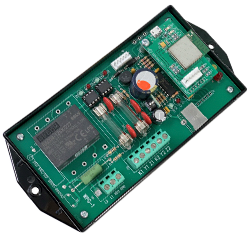
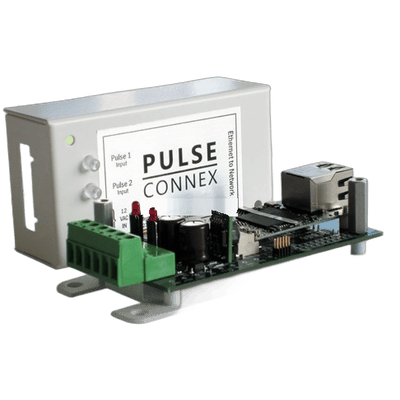
Pacer installed PulseConnex on the plant's revenue meter. PulseConnex counts the meter's own KYZ pulses and shows instantaneous, average, and peak demand on a live graph that staff can open on a computer or a smartphone.
While reviewing the data, a plant manager noticed a demand spike every five minutes. Two large dryer tanks at the plant are driven by a 250 hp machine that powered up on a five-minute cycle. With the live graph open on a smartphone, employees stood in the room with the machine and watched demand jump each time it started.
With that link confirmed, Pacer lengthened the machine's cycle from 5 minutes to 7.5 minutes. The plant reports that the change keeps demand in check, lowers total power consumption, and is likely to extend the life of the machine.
An Added Benefit
Plant managers found they could tell what was happening on the floor just by watching the live graph: when a crew member starts one of the larger machines, demand rises on screen at once. Workers are supposed to log when these machines are turned on and off but do not always remember, so managers use the load profile history to fill in the missing entries.
The Results
By using and acting on the data from PulseConnex, Pacer's plant managers report saving an average of 20% a month on their electric bills. They plan to keep using PulseConnex indefinitely.
“A valuable tool which helps us save thousands in demand charges every month.”
Plant Manager, Pacer Corporation
Benefits
- Average savings of 20% a month on electric bills
- Live demand on a smartphone, so staff can watch each machine's effect from the plant floor
- Some operations managed from the office
- Less wear on manufacturing equipment
- More efficient plant operations and lower power consumption
To Learn More
Learn more about the PulseConnex Real-Time Demand Monitor, or download the printable case study (PDF).
Contact RADIAN at 765-449-5500 or sales@radianresearch.com, or request a price quote.